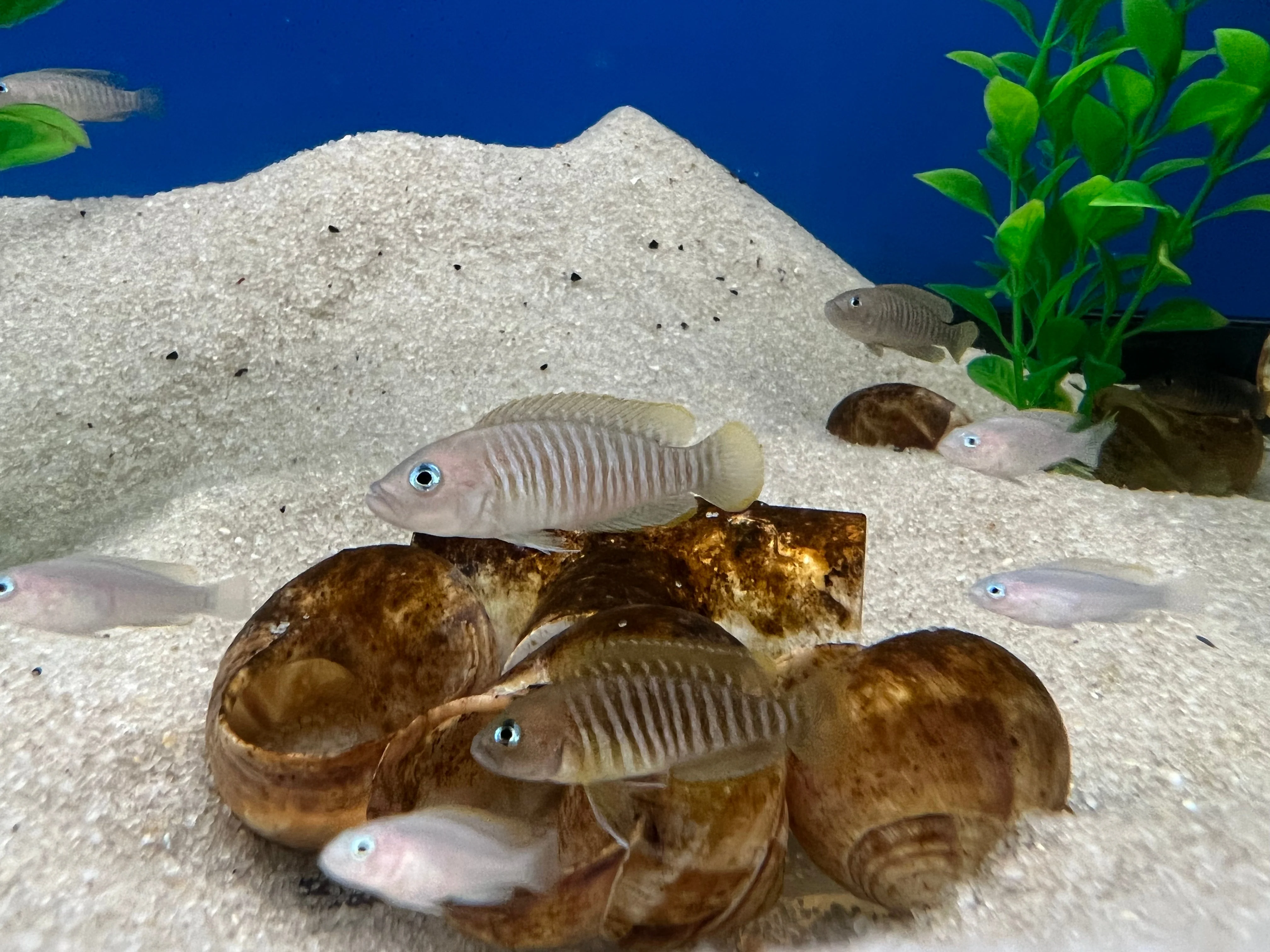
Neolamprologus multifasciatus
Remarks: These shell-dwellers will use round snail shells as breeding locations, sometimes burying the shell in sand to conceal it. They work well as a colony of breeders, with many pairs occupying shells within a small surface area. You will be rewarded with many fry, which are typically ignored by the parents.
These fish should be kept in groups of 5 or more due to their social nature.
Scientific Name: Neolamprologus multifasciatus
Common Name:
Max Size: 2.5"
pH: 7.5-8.6
Hardness: Hard
Temperature: 70-82°
Aggressiveness: Semi-Aggressive
Region of Origin: Lake Tanganyika, Africa
Captive Bred or Wild: Captive Bred
Diet: Flake or pellet, frozen and live food
Compatibility: Lake Tanganyikan cichlids
Tank Mate Options:
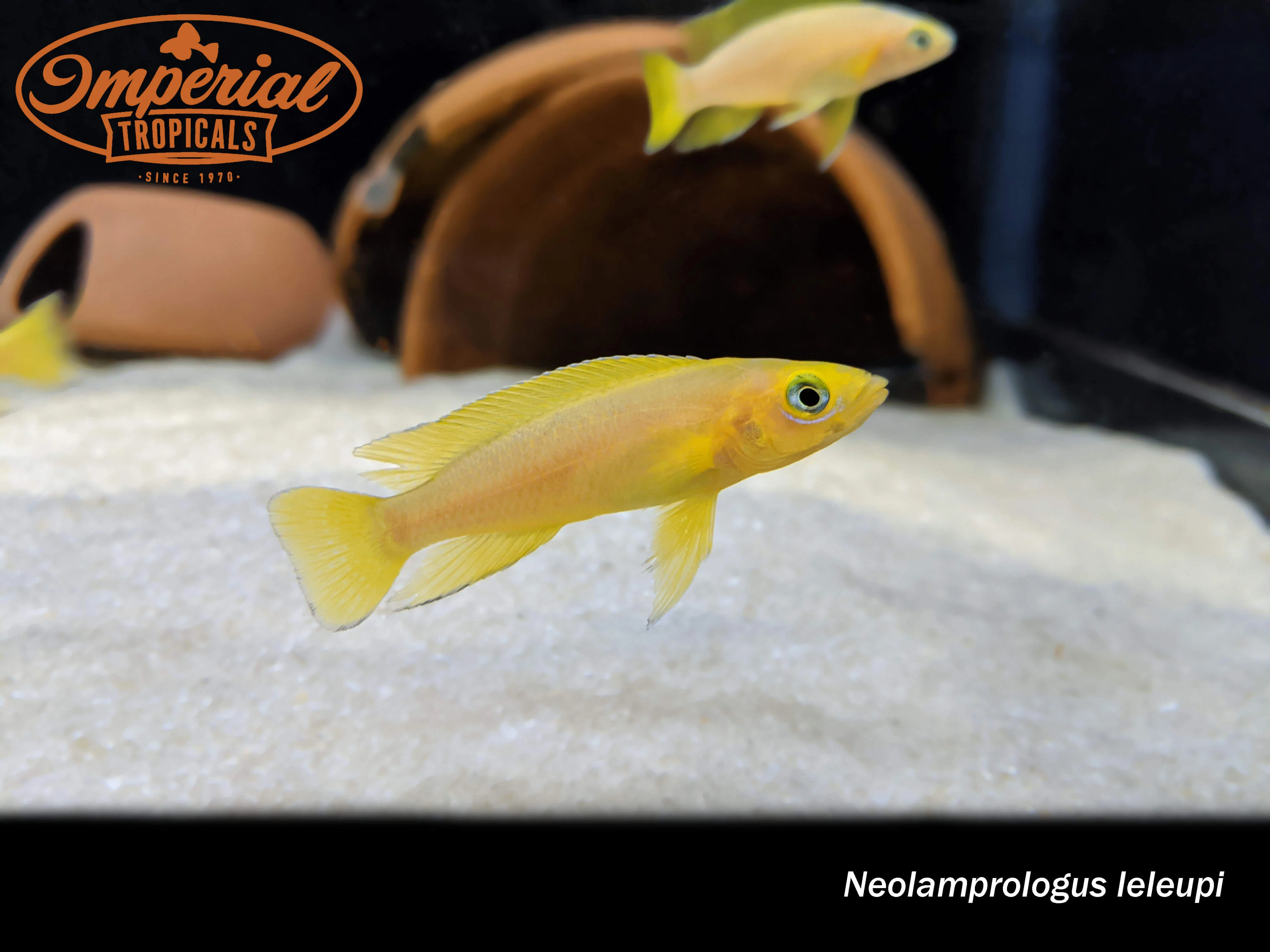
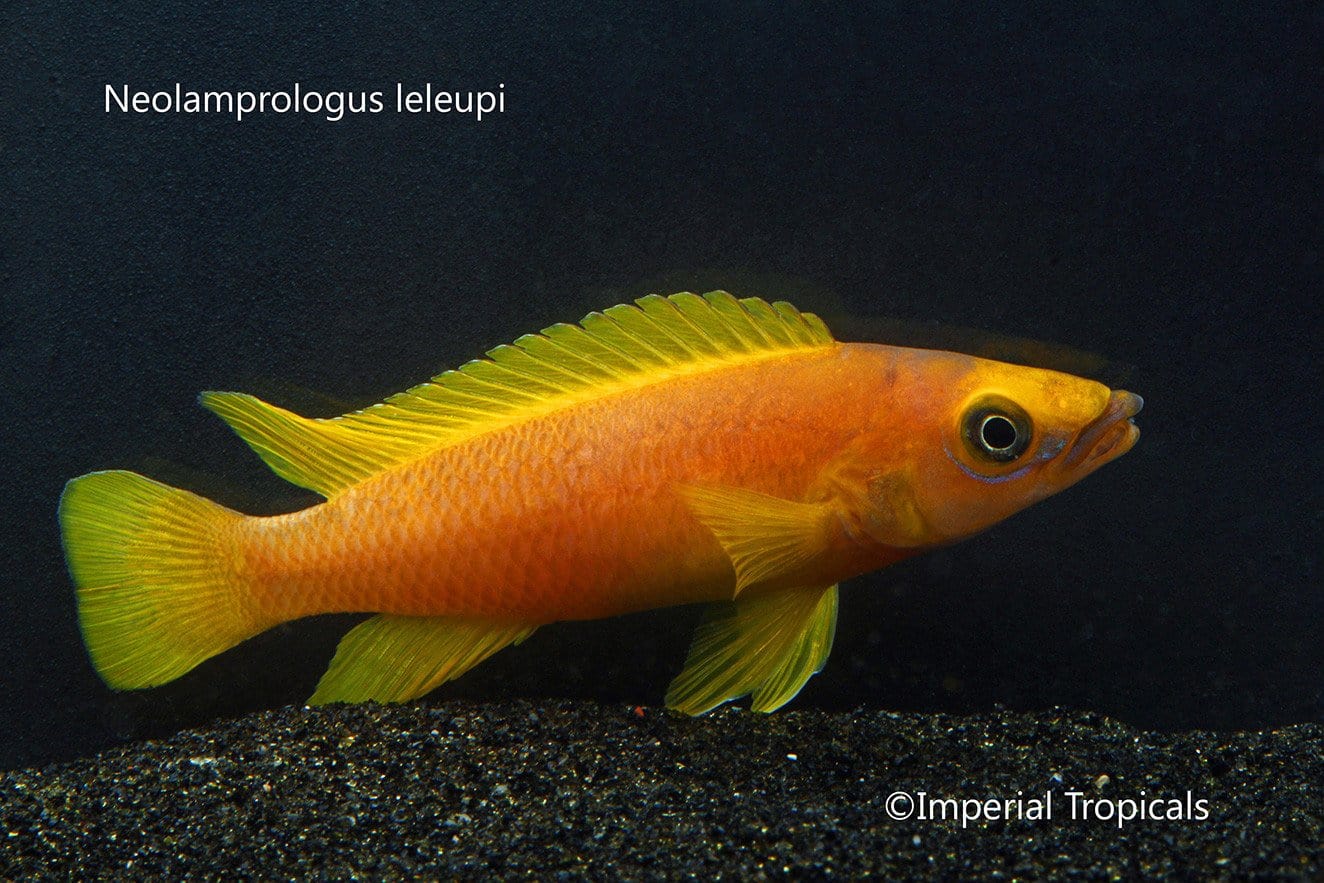
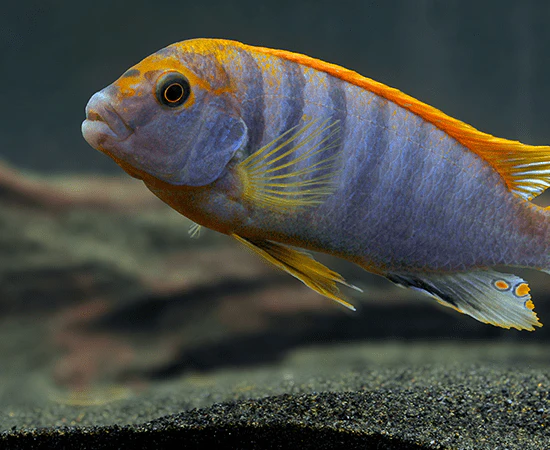
- Neolamprologus leleupi
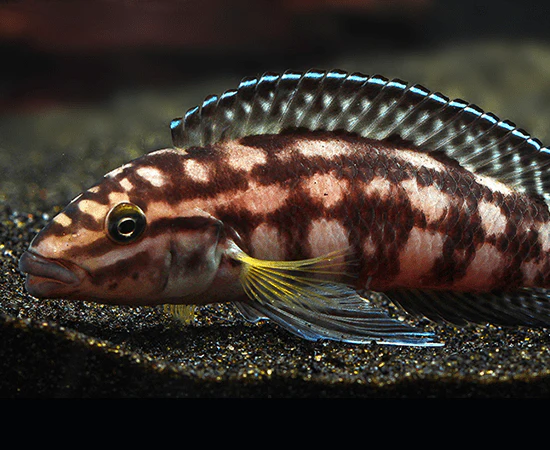
- Julidochromis marlieri
- Synodontis multipunctatus
Original: $24.99
-65%$24.99
$8.75Product Information
Product Information
Shipping & Returns
Shipping & Returns
Description
Remarks: These shell-dwellers will use round snail shells as breeding locations, sometimes burying the shell in sand to conceal it. They work well as a colony of breeders, with many pairs occupying shells within a small surface area. You will be rewarded with many fry, which are typically ignored by the parents.
These fish should be kept in groups of 5 or more due to their social nature.
Scientific Name: Neolamprologus multifasciatus
Common Name:
Max Size: 2.5"
pH: 7.5-8.6
Hardness: Hard
Temperature: 70-82°
Aggressiveness: Semi-Aggressive
Region of Origin: Lake Tanganyika, Africa
Captive Bred or Wild: Captive Bred
Diet: Flake or pellet, frozen and live food
Compatibility: Lake Tanganyikan cichlids
Tank Mate Options:
- Neolamprologus leleupi
- Julidochromis marlieri
- Synodontis multipunctatus