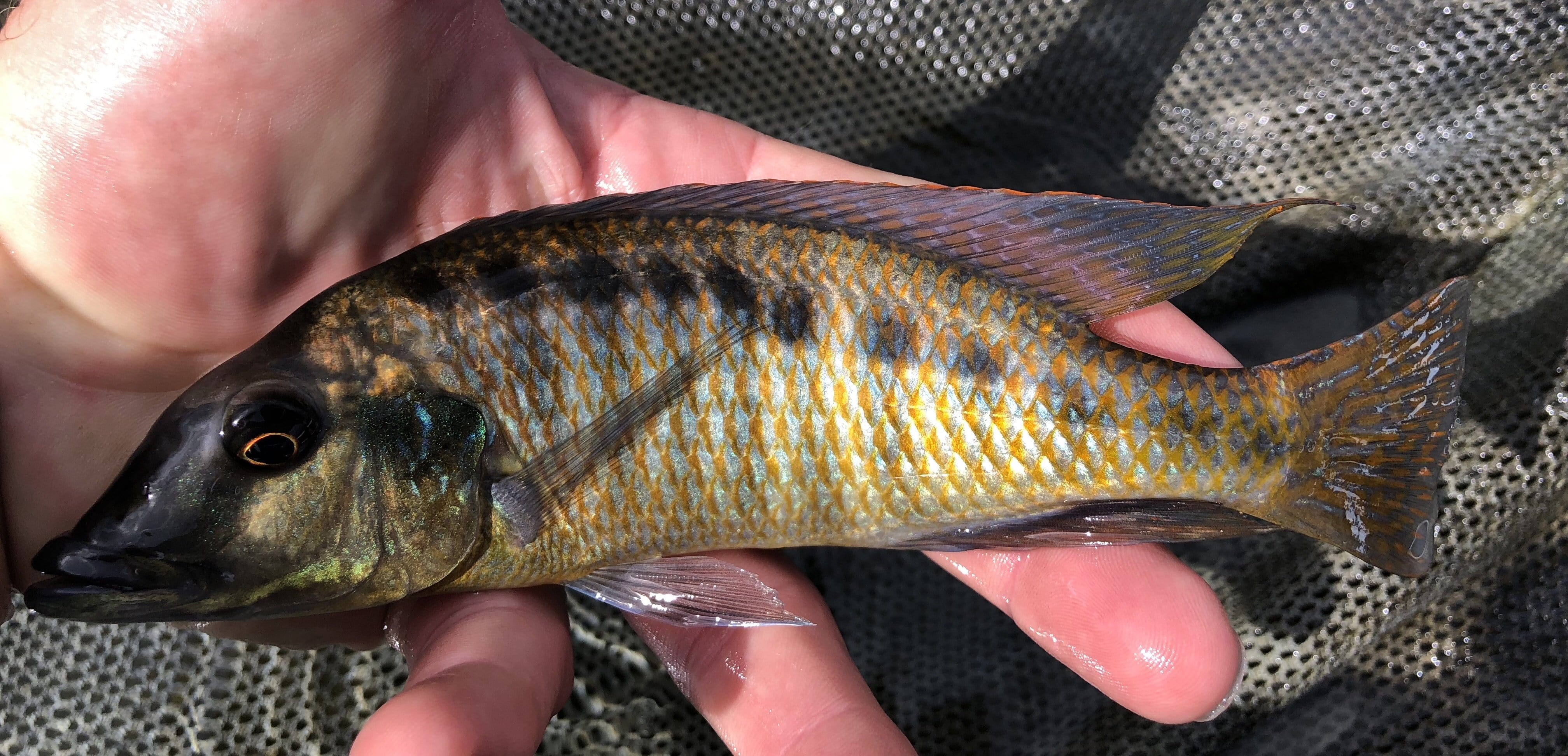
Malawi Gar
Remarks: Malawi gar live up to their name in that they grow to be large, impressive, voracious predators. They have evolved a very long, compressed shape similar to that of the Malawi eye-biter and long, thick lips to suck out prey, typically young mbuna, hiding in rock crevices.
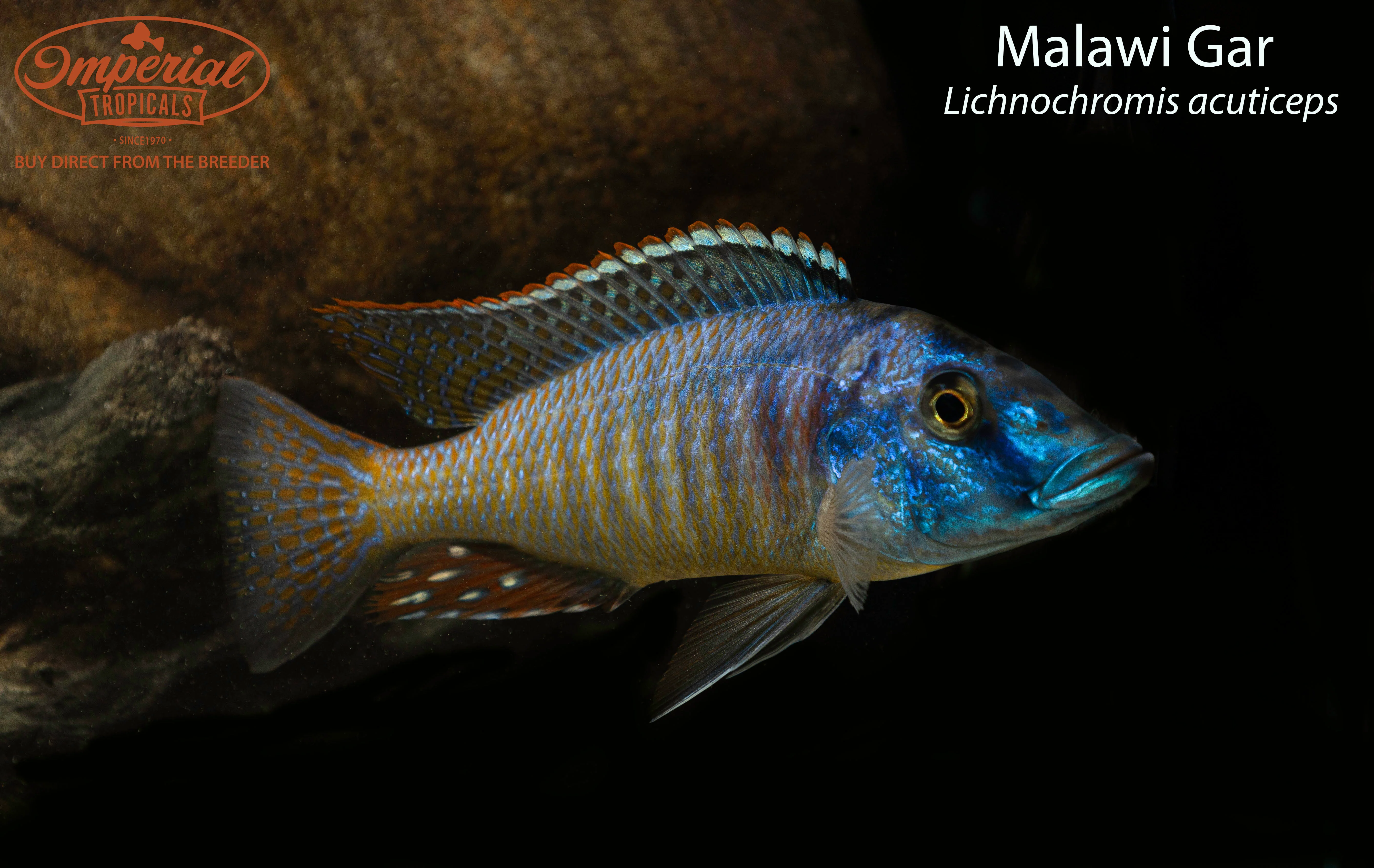
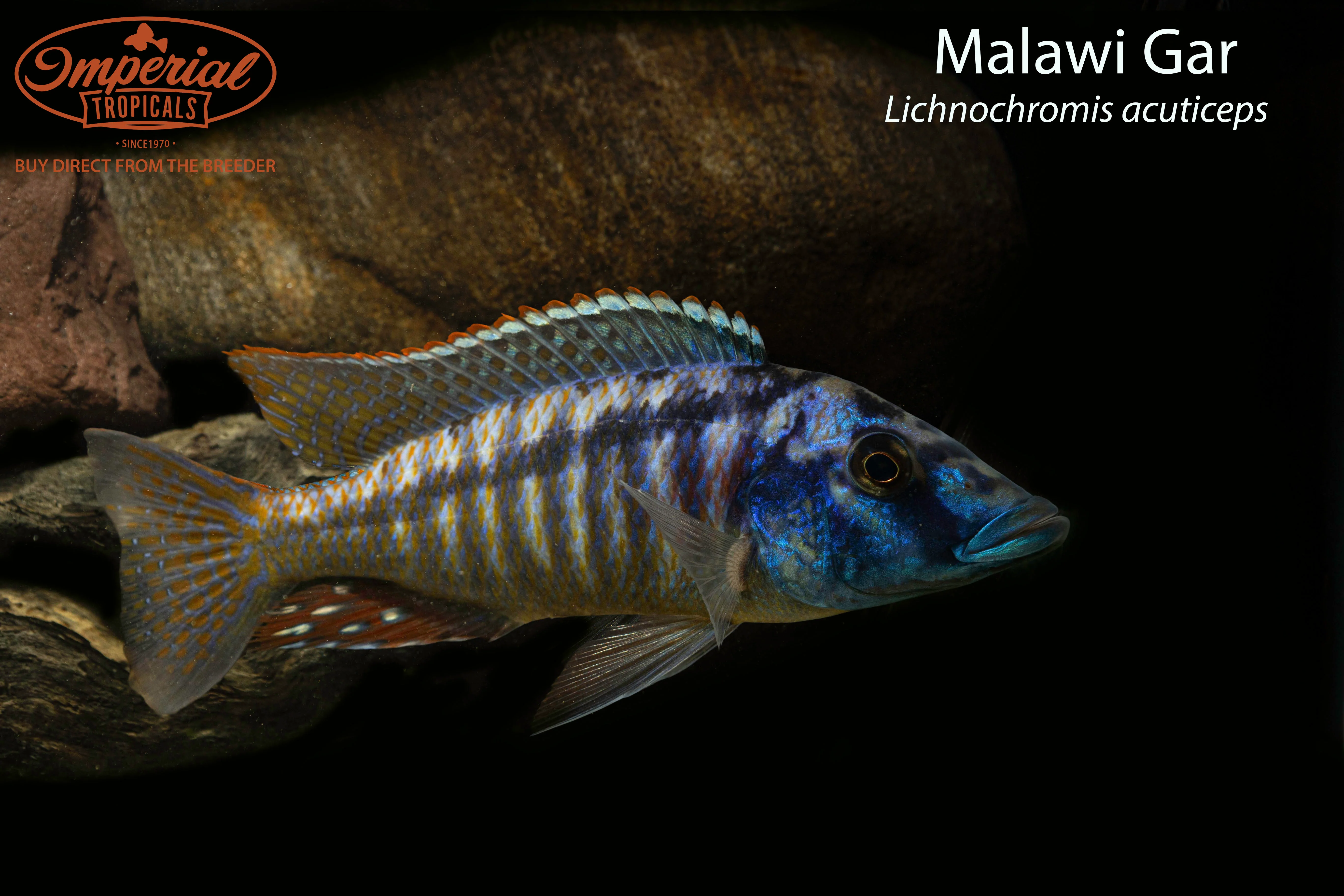
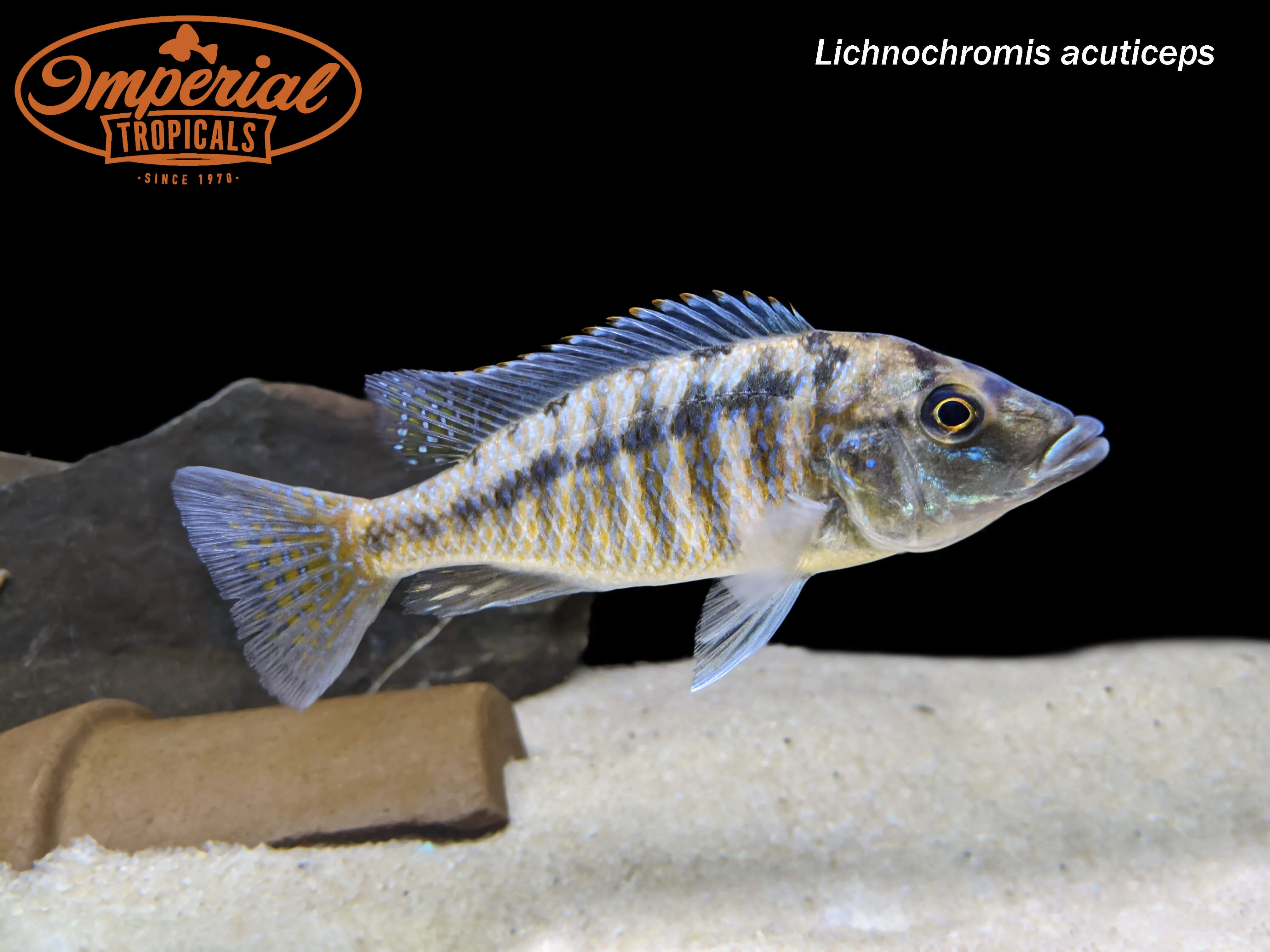
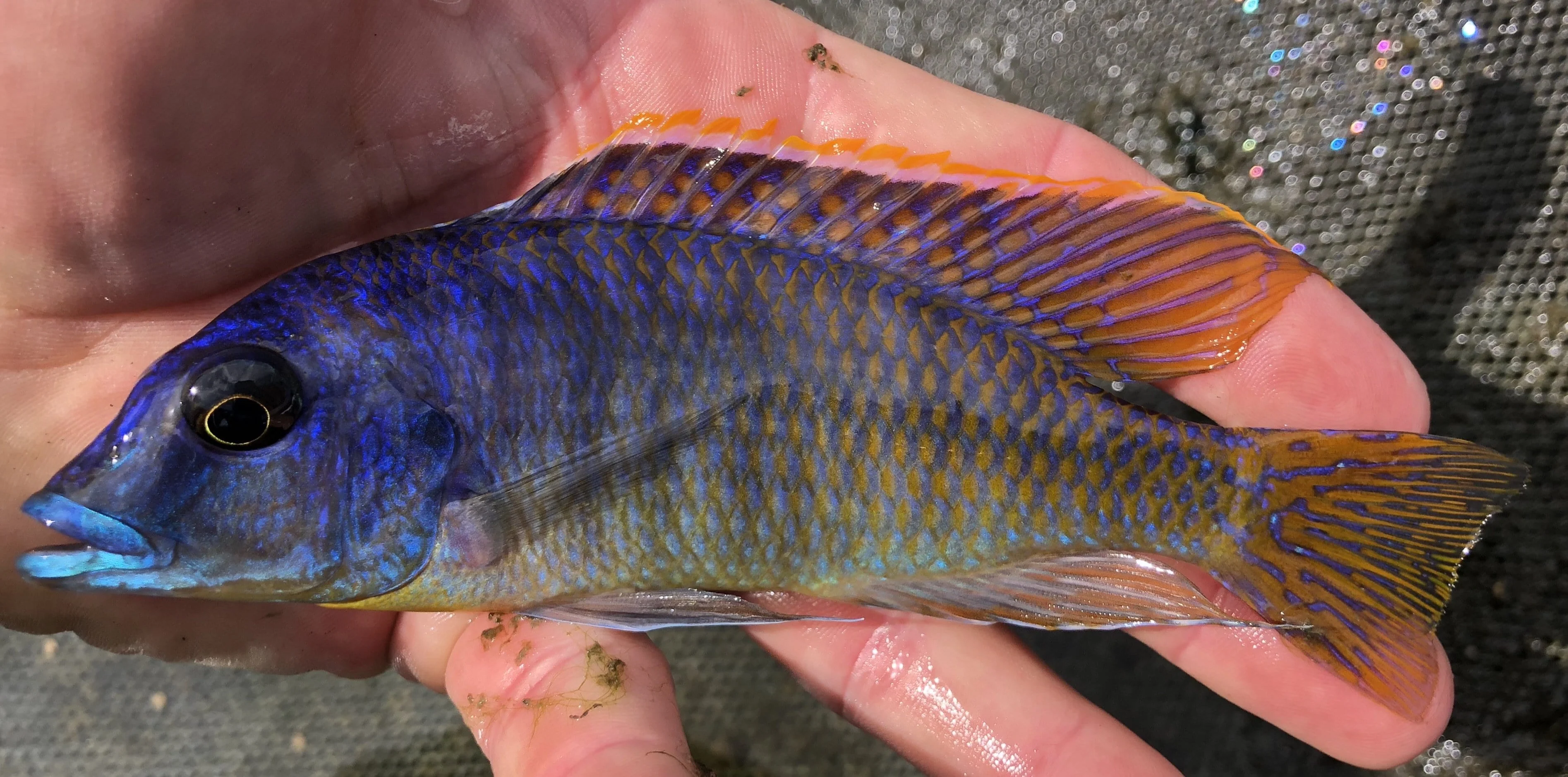
While Malawi gar are piscivorous, they typically will not bother fish that do not fit in their mouths. An interesting thing to note about this species is that it is the only known member of its genus, Lichnochromis, making it even more unique among other haps. Upon maturity, male Malawi gar display fantastic coloration in the form of electric blue bodies paired with red, orange, and yellow fins. Females are much more muted in color, usually remaining mostly brown or gray, but their presence helps males show the best coloration.
Product Information
Product Information
Shipping & Returns
Shipping & Returns
Description
Remarks: Malawi gar live up to their name in that they grow to be large, impressive, voracious predators. They have evolved a very long, compressed shape similar to that of the Malawi eye-biter and long, thick lips to suck out prey, typically young mbuna, hiding in rock crevices.
While Malawi gar are piscivorous, they typically will not bother fish that do not fit in their mouths. An interesting thing to note about this species is that it is the only known member of its genus, Lichnochromis, making it even more unique among other haps. Upon maturity, male Malawi gar display fantastic coloration in the form of electric blue bodies paired with red, orange, and yellow fins. Females are much more muted in color, usually remaining mostly brown or gray, but their presence helps males show the best coloration.