Violet Hoplisoma
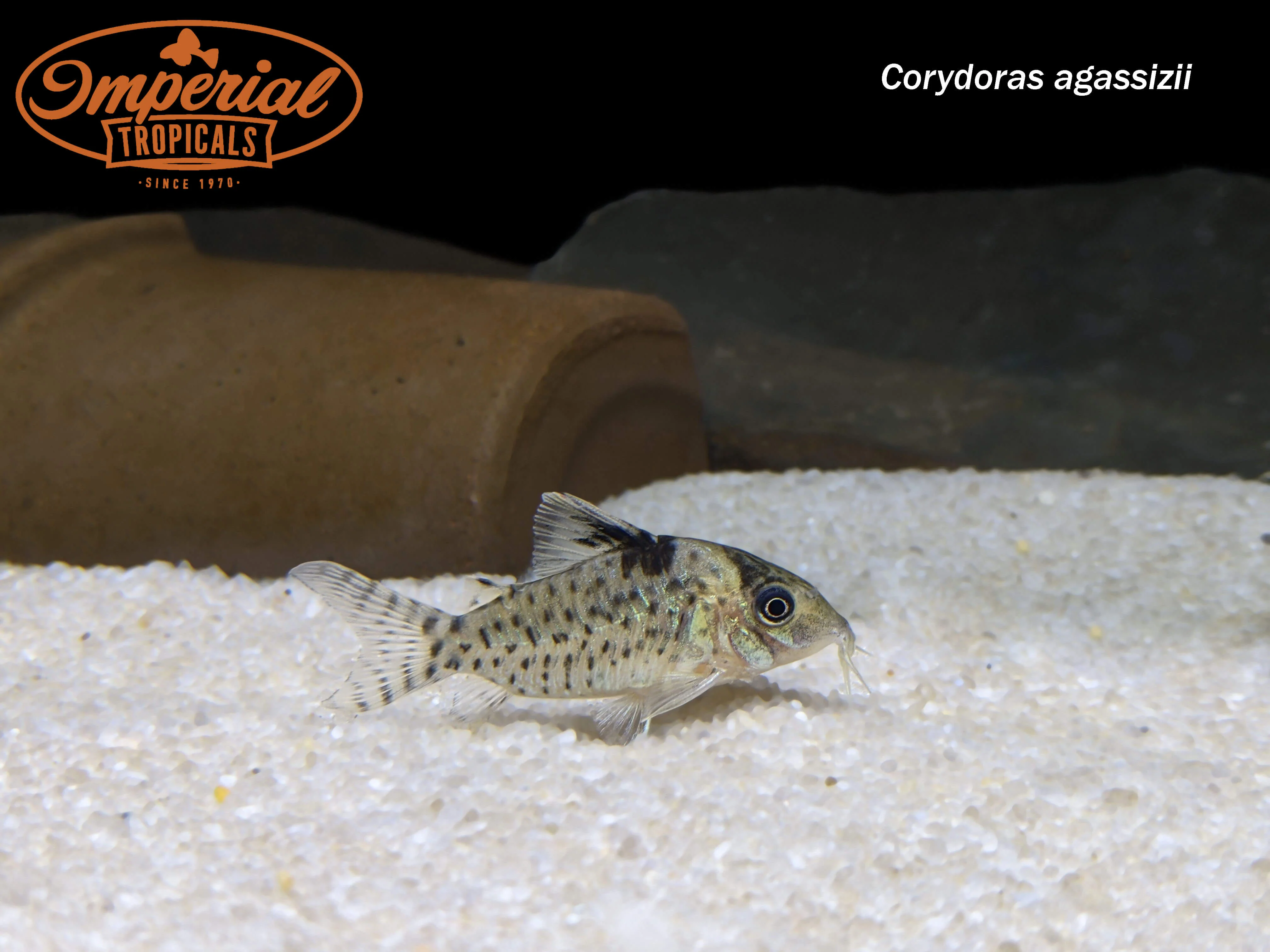
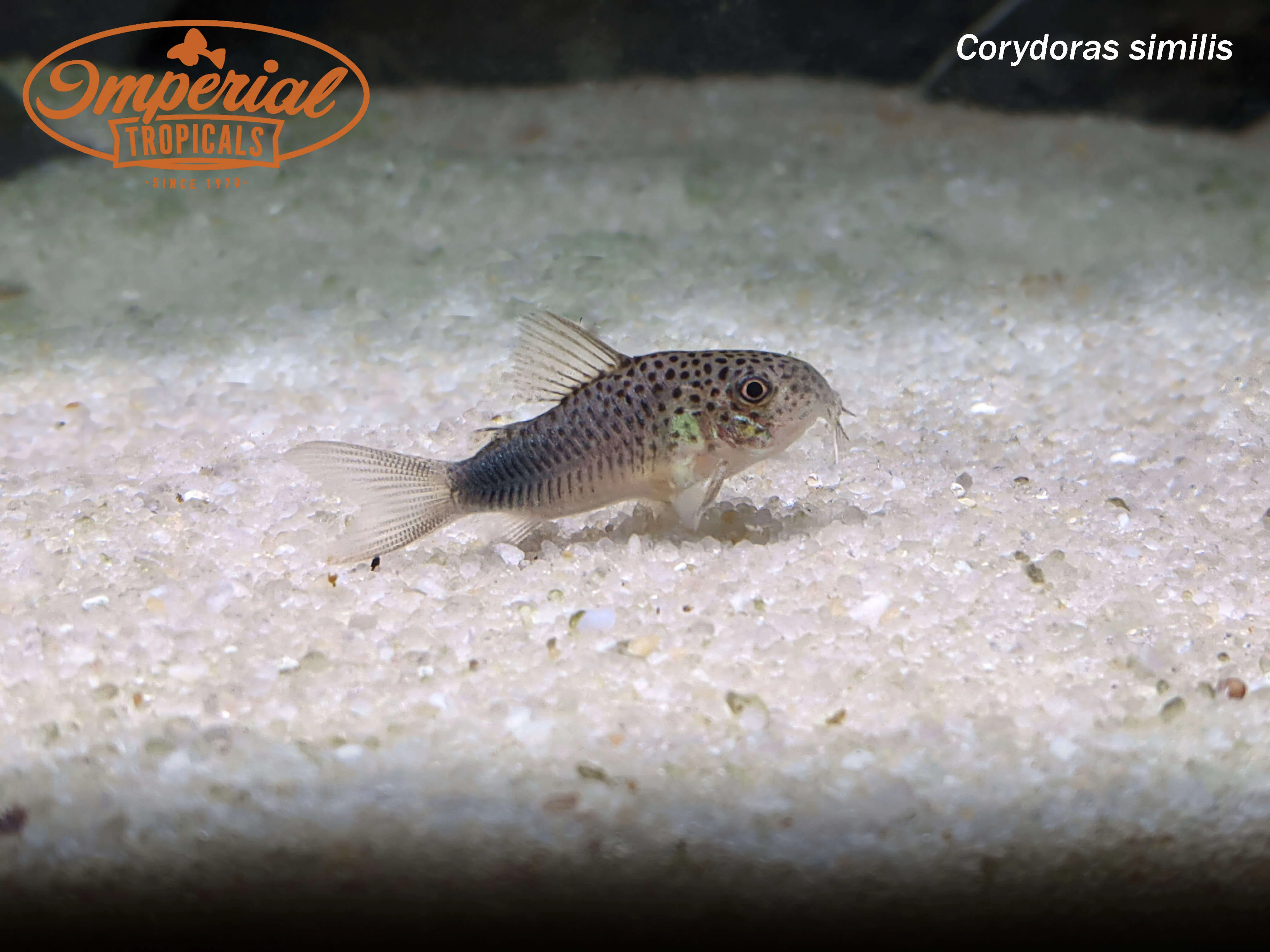
Remarks: The violet Hoplisoma is an endearing little species of Corydoradinae that is not seen very often within the hobby. They typically sport silver bodies covered in little black or gray dots and have a large blotch at the base of the caudal fin that can range in color from black, to green, to an almost purple hue. This spot has earned this species the common name of the violet Hoplisoma or the smudge spot Hoplisoma. In the wild, they can be found in shallow, calm areas of the Rio Madeira Basin in Brazil. This habitat contains soft, acidic, tannin-stained water and has plenty of cover in the form of driftwood. Replicating these conditions will result in the most success keeping this adorable little catfish.
Violet Hoplisoma were previously classified as Corydoras similis, but were reclassified as Hoplisoma similis upon publication of a phylogenomic analysis in 2024 that reclassified many species in the Corydoradinae subfamily.
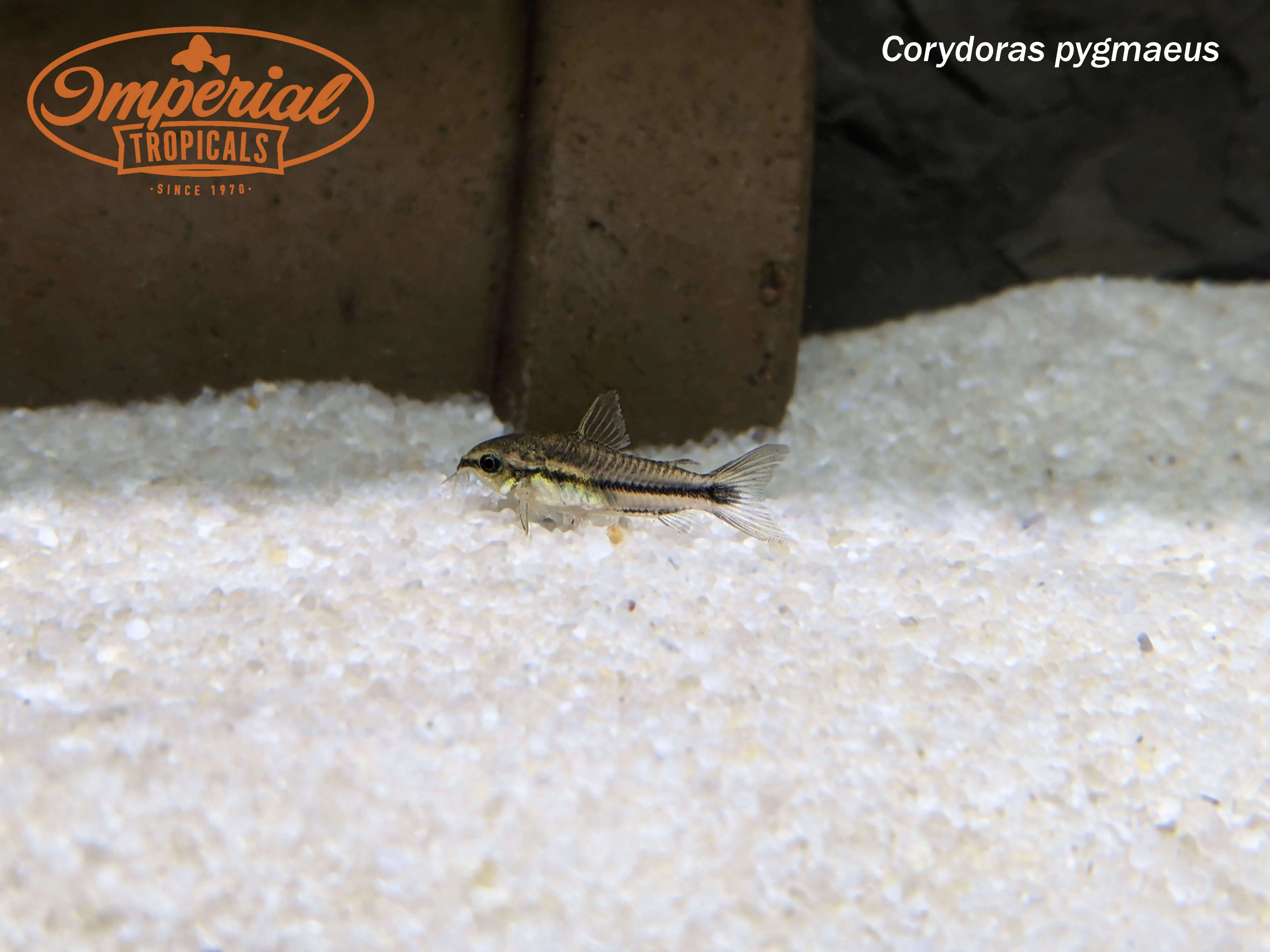
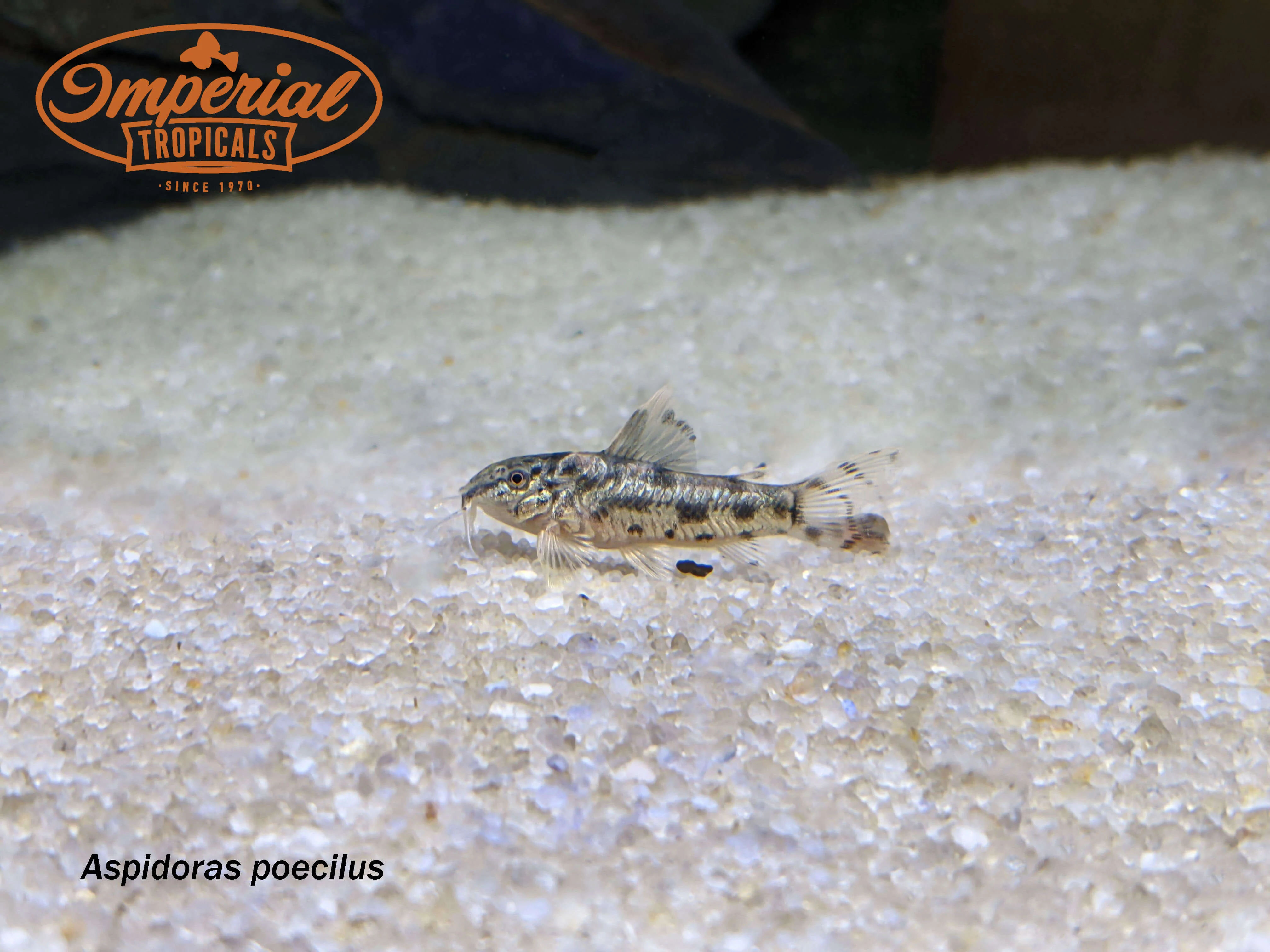
Corydoradinae are small, peaceful catfish that are active shoalers and will stay near conspecifics, making for a lovely sight. They feed by searching through sand with their barbels, making such a substrate necessary for their long-term health. Gravel substrates tend to be abrasive and damage the barbels, leading to infections and an inability to find food.
While these friendly catfish are willing to swim with other species of Corydoradinae different from their own, this does not provide the same social need as being kept with members of their own species. Because of this, it is highly recommended to keep at least six of each species of Corydoradinae present in the aquarium and only mix species if one has the space to keep at least six of each.
Corydoradinae are often looked at as "scavengers," but they should be treated in a similar fashion as the rest of your fish. They are omnivores and require a mixed diet. Sinking prepared foods are readily accepted, as are frozen and live foods such as brine shrimp, blackworms, and bloodworms.
Original: $32.99
-65%$32.99
$11.55Product Information
Product Information
Shipping & Returns
Shipping & Returns
Description
Remarks: The violet Hoplisoma is an endearing little species of Corydoradinae that is not seen very often within the hobby. They typically sport silver bodies covered in little black or gray dots and have a large blotch at the base of the caudal fin that can range in color from black, to green, to an almost purple hue. This spot has earned this species the common name of the violet Hoplisoma or the smudge spot Hoplisoma. In the wild, they can be found in shallow, calm areas of the Rio Madeira Basin in Brazil. This habitat contains soft, acidic, tannin-stained water and has plenty of cover in the form of driftwood. Replicating these conditions will result in the most success keeping this adorable little catfish.
Violet Hoplisoma were previously classified as Corydoras similis, but were reclassified as Hoplisoma similis upon publication of a phylogenomic analysis in 2024 that reclassified many species in the Corydoradinae subfamily.
Corydoradinae are small, peaceful catfish that are active shoalers and will stay near conspecifics, making for a lovely sight. They feed by searching through sand with their barbels, making such a substrate necessary for their long-term health. Gravel substrates tend to be abrasive and damage the barbels, leading to infections and an inability to find food.
While these friendly catfish are willing to swim with other species of Corydoradinae different from their own, this does not provide the same social need as being kept with members of their own species. Because of this, it is highly recommended to keep at least six of each species of Corydoradinae present in the aquarium and only mix species if one has the space to keep at least six of each.
Corydoradinae are often looked at as "scavengers," but they should be treated in a similar fashion as the rest of your fish. They are omnivores and require a mixed diet. Sinking prepared foods are readily accepted, as are frozen and live foods such as brine shrimp, blackworms, and bloodworms.