Synodontis petricola
Remarks: The true Synodontis petricola is rarely seen in the hobby with the heavily similar and more common Synodontis lucipinnis frequently being misidentified as it. In fact, they were considered to be the same species until 2006 when Wright & Page identified them to be separate species. Their key indicator for this difference is that S. petricola possesses an axillary pore while S. lucipinnis does not. This pore is extremely difficult to see with the naked eye so other features must be used by hobbyists to identify them. One of the main visual differences between the two is that S. petricola grows larger, about 4-5”, compared to S. lucipinnis which almost never exceeds 3.5” in length.
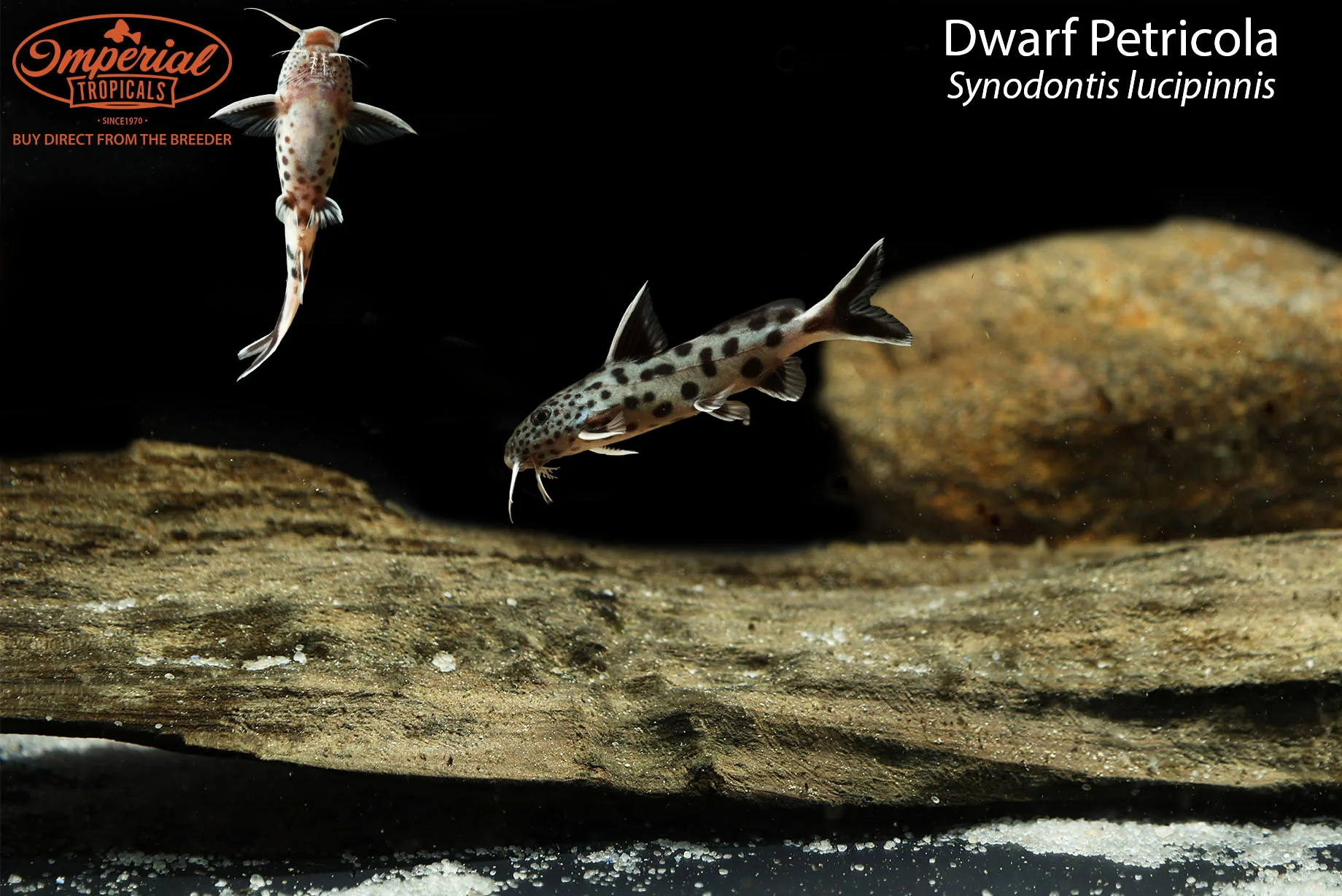
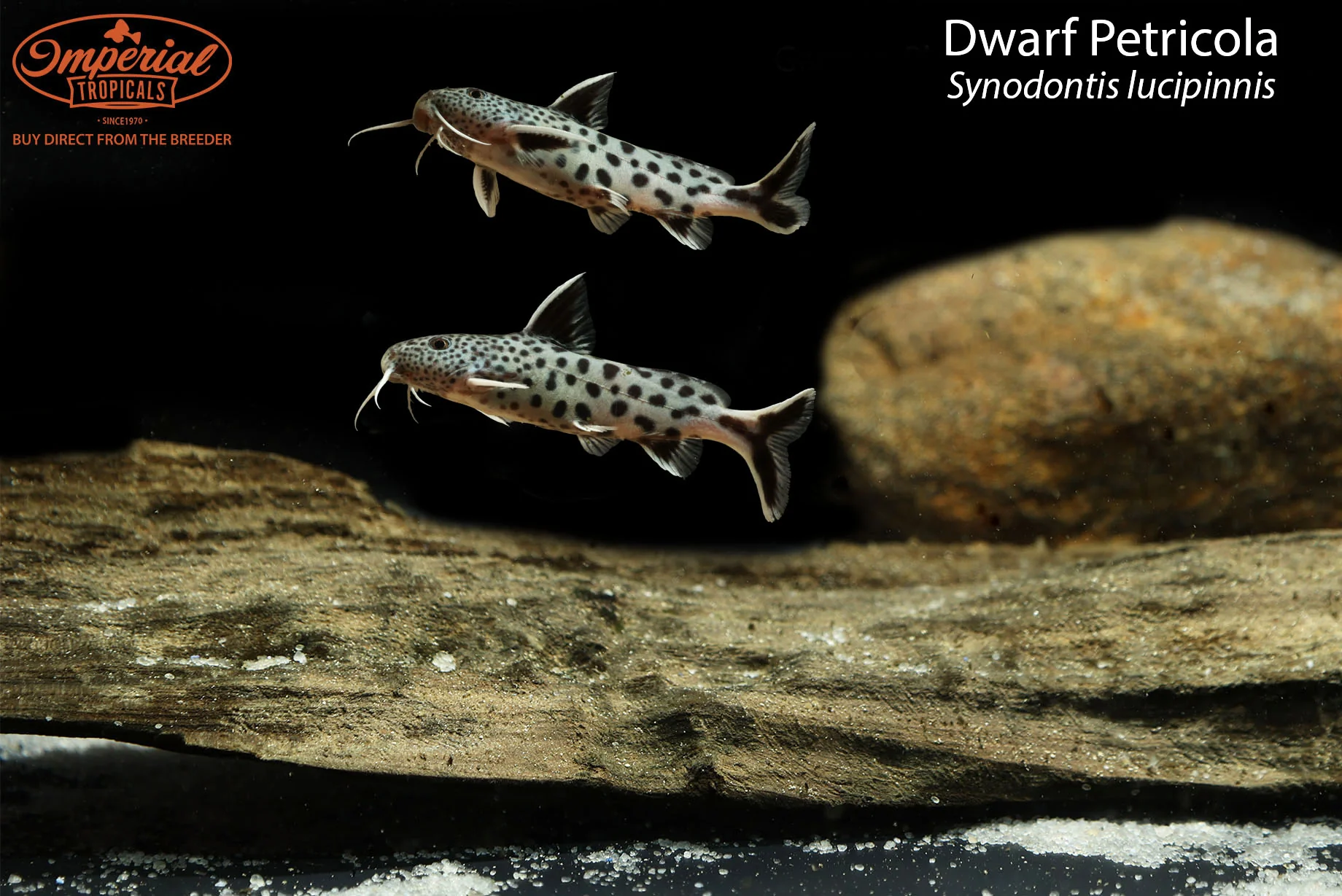
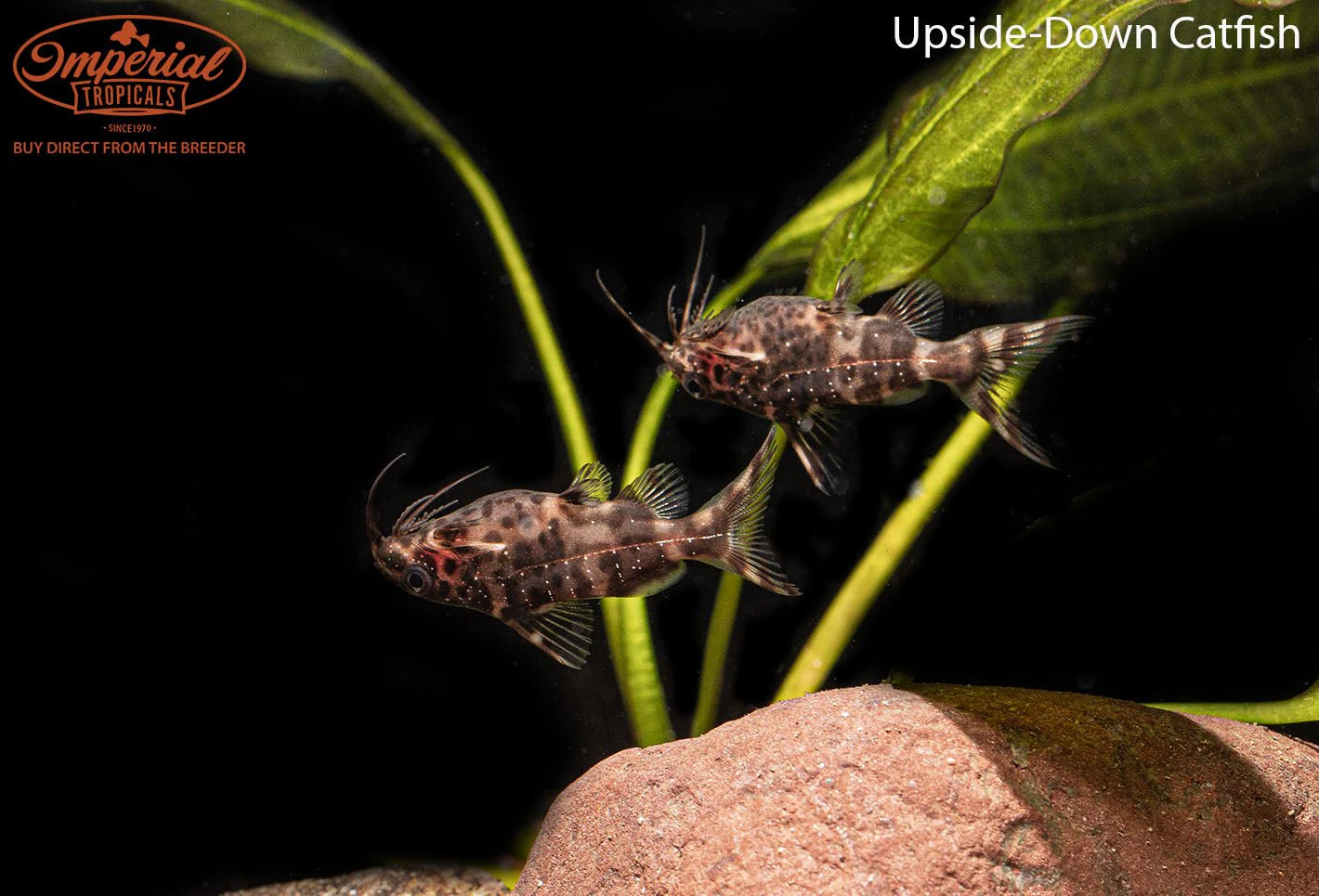
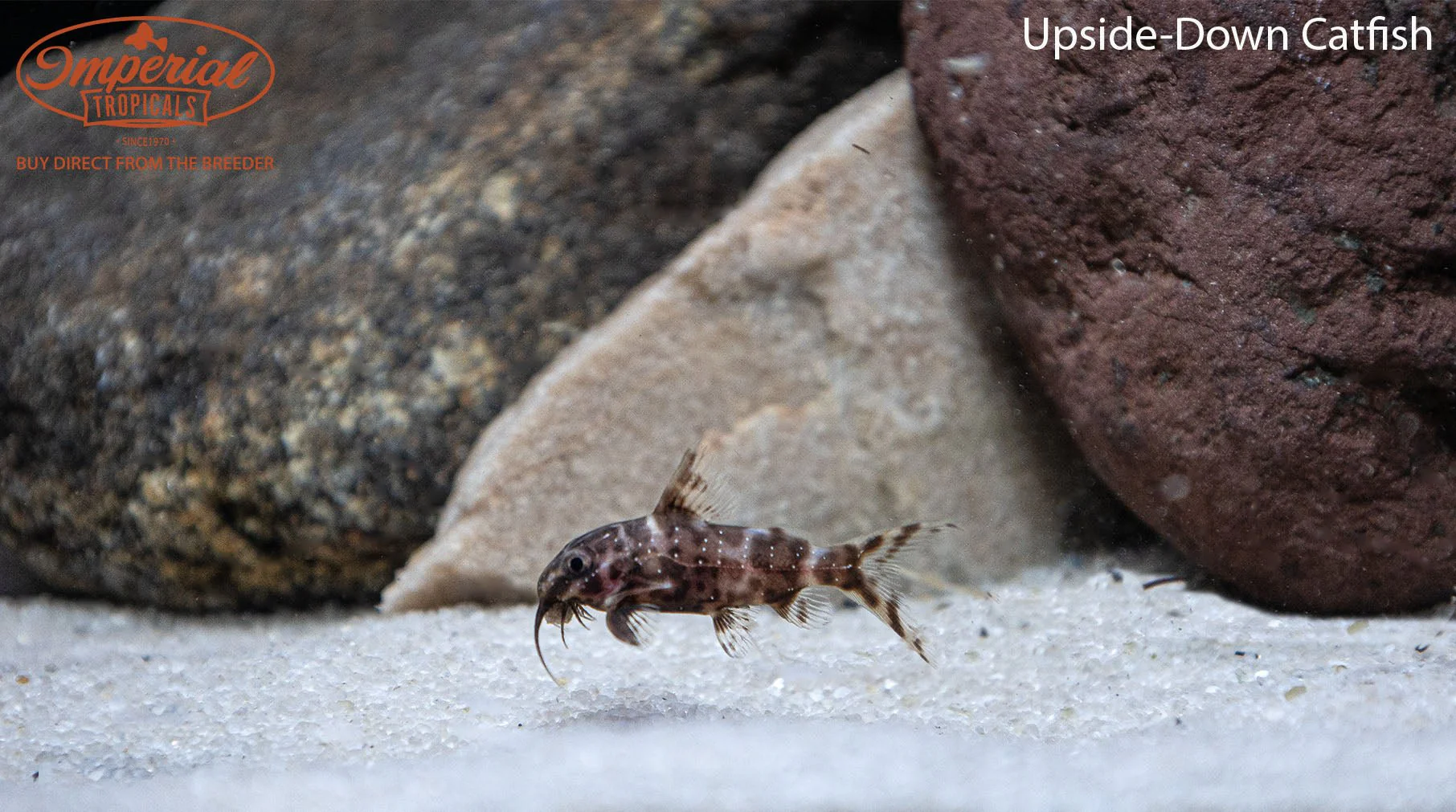
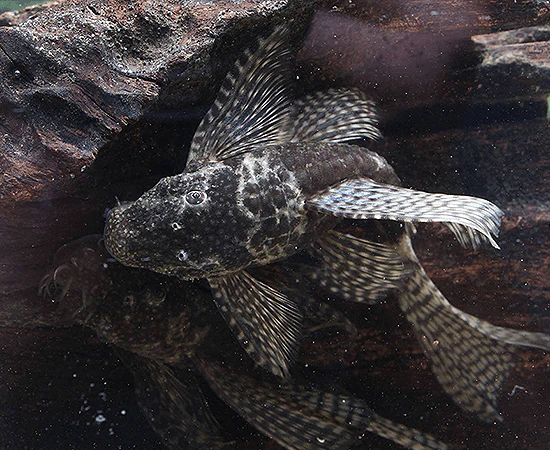
Obviously, the difference in size cannot be used to differentiate the two if looking at young fish. Keepers have noted that S. petricola has a longer and leaner body, smaller and more rounded spots, a complete black triangle at the base of all rayed fins, and swims in a more serpentine fashion. This is in comparison to S. lucipinnis which has a shorter and more stout body, larger and irregular spots, a light color break or “window” in the black triangle at the base of all rayed fins, and a typical synodontis swimming pattern. It should be noted in regards to appearance that both species have great amounts of variation so these aspects will not always lead to a 100% accurate guess. In fact, some believe there may be more valid species currently being misidentified as either S. petricola or S. lucipinnis with further division of species being needed in the future.
While S. petricola grows a bit larger than S. lucipinnis, it still stays at a manageable size that can fit in many home aquariums. This combined with their very peaceful nature and active swimming style makes them a great fit for a smaller Tanganyikan community tank. It should be noted, however, that they are still opportunistic omnivores that will swallow anything small enough to fit in their mouths so nano fish should be avoided as tankmates. Overly aggressive fish and those large enough to swallow S. petricola also should not be housed with them as they may be eaten and with their sharp spines, they can even choke the fish attempting to eat them leading to the loss of both. These catfish are highly social and live in large schools in the wild so they should be kept in groups of 5 or more to help them feel safe and encourage them to venture out. Providing plenty of rocky caves to hide in will also bolster their confidence and make the S. petricola feel more at home.
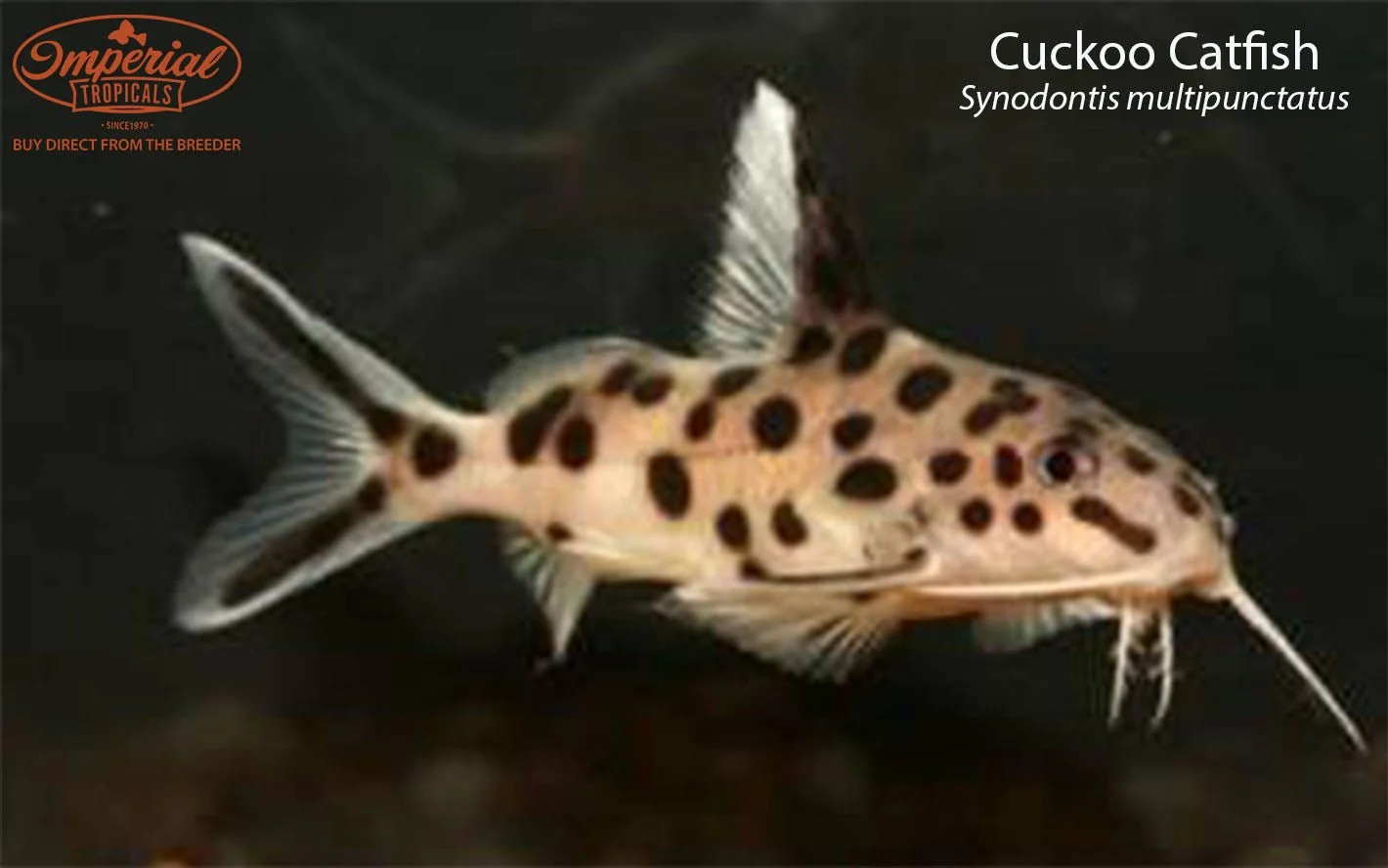
Many have found that like their close relatives, S. petricola breed very readily in captivity provided all their needs are met such as being kept in the correct parameters and having a high-quality diet with plenty of variety. They are known to be egg-scatterers, but interestingly they also display brood parasitism similar to Synodontis multipunctatus. This form of spawning is when S. petricola spawn at the same time as a mouthbrooding cichlid species, dropping their eggs amongst the cichlid’s so that they will be taken into their mouths as well. The eggs of the catfish hatch earlier than the cichlid’s so the fry are able to eat all of the cichlid eggs. The result is the unwitting cichlid ends up caring for and protecting the young S. petricola, believing them to be their own fry. This can be simulated in the home aquarium by keeping the synodontis with a pair of mouthbrooding Tanganyikan species which can be very fascinating to witness.
Original: $19.99
-65%$19.99
$7.00Product Information
Product Information
Shipping & Returns
Shipping & Returns
Description
Remarks: The true Synodontis petricola is rarely seen in the hobby with the heavily similar and more common Synodontis lucipinnis frequently being misidentified as it. In fact, they were considered to be the same species until 2006 when Wright & Page identified them to be separate species. Their key indicator for this difference is that S. petricola possesses an axillary pore while S. lucipinnis does not. This pore is extremely difficult to see with the naked eye so other features must be used by hobbyists to identify them. One of the main visual differences between the two is that S. petricola grows larger, about 4-5”, compared to S. lucipinnis which almost never exceeds 3.5” in length.
Obviously, the difference in size cannot be used to differentiate the two if looking at young fish. Keepers have noted that S. petricola has a longer and leaner body, smaller and more rounded spots, a complete black triangle at the base of all rayed fins, and swims in a more serpentine fashion. This is in comparison to S. lucipinnis which has a shorter and more stout body, larger and irregular spots, a light color break or “window” in the black triangle at the base of all rayed fins, and a typical synodontis swimming pattern. It should be noted in regards to appearance that both species have great amounts of variation so these aspects will not always lead to a 100% accurate guess. In fact, some believe there may be more valid species currently being misidentified as either S. petricola or S. lucipinnis with further division of species being needed in the future.
While S. petricola grows a bit larger than S. lucipinnis, it still stays at a manageable size that can fit in many home aquariums. This combined with their very peaceful nature and active swimming style makes them a great fit for a smaller Tanganyikan community tank. It should be noted, however, that they are still opportunistic omnivores that will swallow anything small enough to fit in their mouths so nano fish should be avoided as tankmates. Overly aggressive fish and those large enough to swallow S. petricola also should not be housed with them as they may be eaten and with their sharp spines, they can even choke the fish attempting to eat them leading to the loss of both. These catfish are highly social and live in large schools in the wild so they should be kept in groups of 5 or more to help them feel safe and encourage them to venture out. Providing plenty of rocky caves to hide in will also bolster their confidence and make the S. petricola feel more at home.
Many have found that like their close relatives, S. petricola breed very readily in captivity provided all their needs are met such as being kept in the correct parameters and having a high-quality diet with plenty of variety. They are known to be egg-scatterers, but interestingly they also display brood parasitism similar to Synodontis multipunctatus. This form of spawning is when S. petricola spawn at the same time as a mouthbrooding cichlid species, dropping their eggs amongst the cichlid’s so that they will be taken into their mouths as well. The eggs of the catfish hatch earlier than the cichlid’s so the fry are able to eat all of the cichlid eggs. The result is the unwitting cichlid ends up caring for and protecting the young S. petricola, believing them to be their own fry. This can be simulated in the home aquarium by keeping the synodontis with a pair of mouthbrooding Tanganyikan species which can be very fascinating to witness.