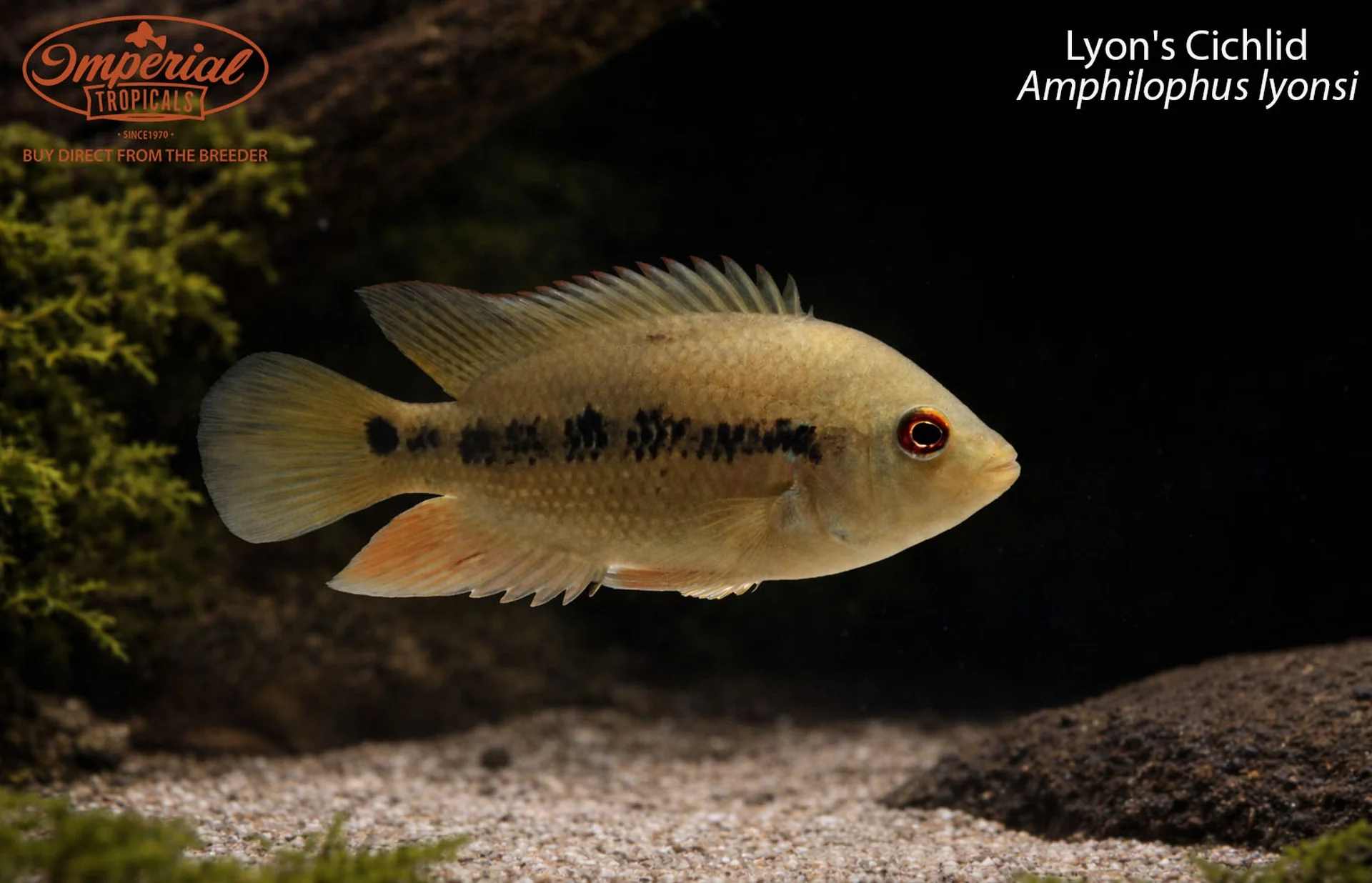
Lyon's Cichlid (Amphilophus lyonsi)
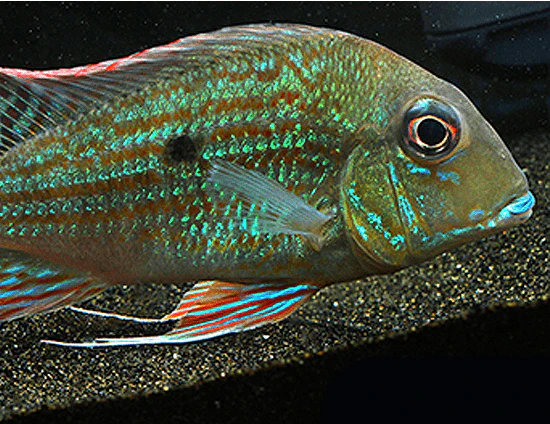
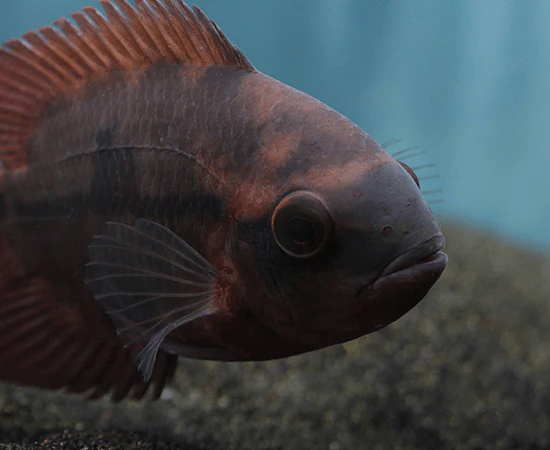
Remarks: The Lyon's cichlid (Amphilophus lyonsi) is a heavily coveted species by Central American cichlid enthusiasts for a variety of reasons. They are known to be less aggressive compared to others in their genus and also grow to a smaller size making them more manageable in captivity. What also draws keepers in is both the rarity and beautiful coloration. Mature and settled Lyon's cichlids display vibrant, yellow, orange, red, pink colors along with red eyes and iridescent blue scales. All of this combined with them being listed as an endangered species and being on the CARES list makes this species a must have for cichlid keepers.
Originally, Lyon's cichlids were described as Cichlasoma lyonsi in 1966 by Gosse after the first specimens were collected by King Leopold of Belgium in Costa Rica, being named after the then Cosul of Belgium, E. Lyons. Later on, the species was redescribed as Amphilophus lyonsi after being reevaluated by Kullander in 1996. In the wild, Lyons's cichlids were known to be found along the Pacific slope of Costa Rica such as in the Coto River and in Panama such as in the Dupí River. They were found specifically in the lower sections of these rivers where the water is warm, has a neutral pH, has low to moderate hardness, has a slow current, and is set above a soft sand substrate. Unfortunately, due to habitat destruction, wild populations shrank over time to the point it was thought that the Lyon's cichlid was extinct in the wild. Thankfully, a population was found in the southern Pacific region of Costa Rica in 2022, though it is not large enough to pull them out of their endangered status. This has also placed the Lyon's cichlid on the CARES list in the hopes hobbyists can possibly aid in keeping the species alive.
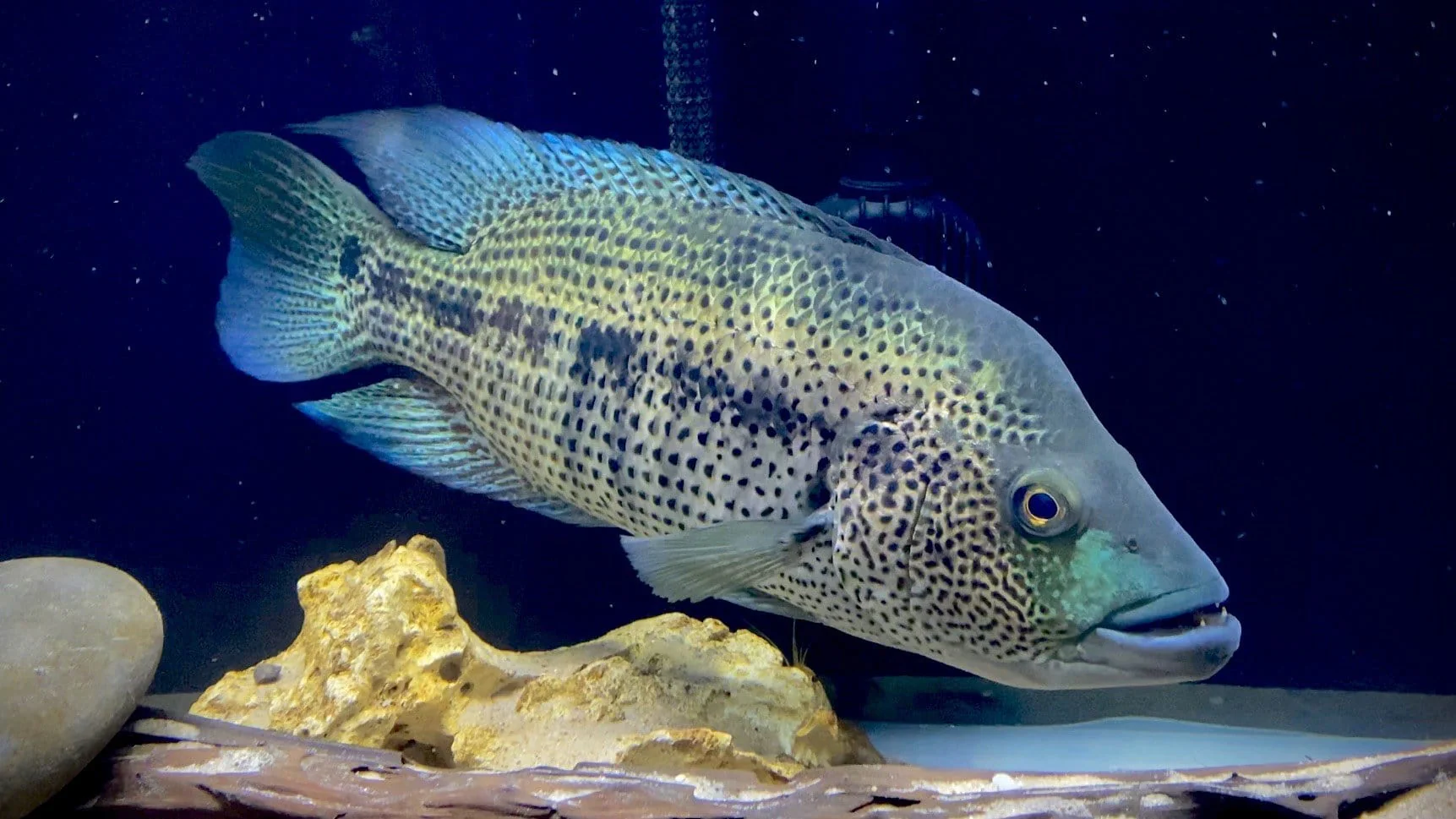
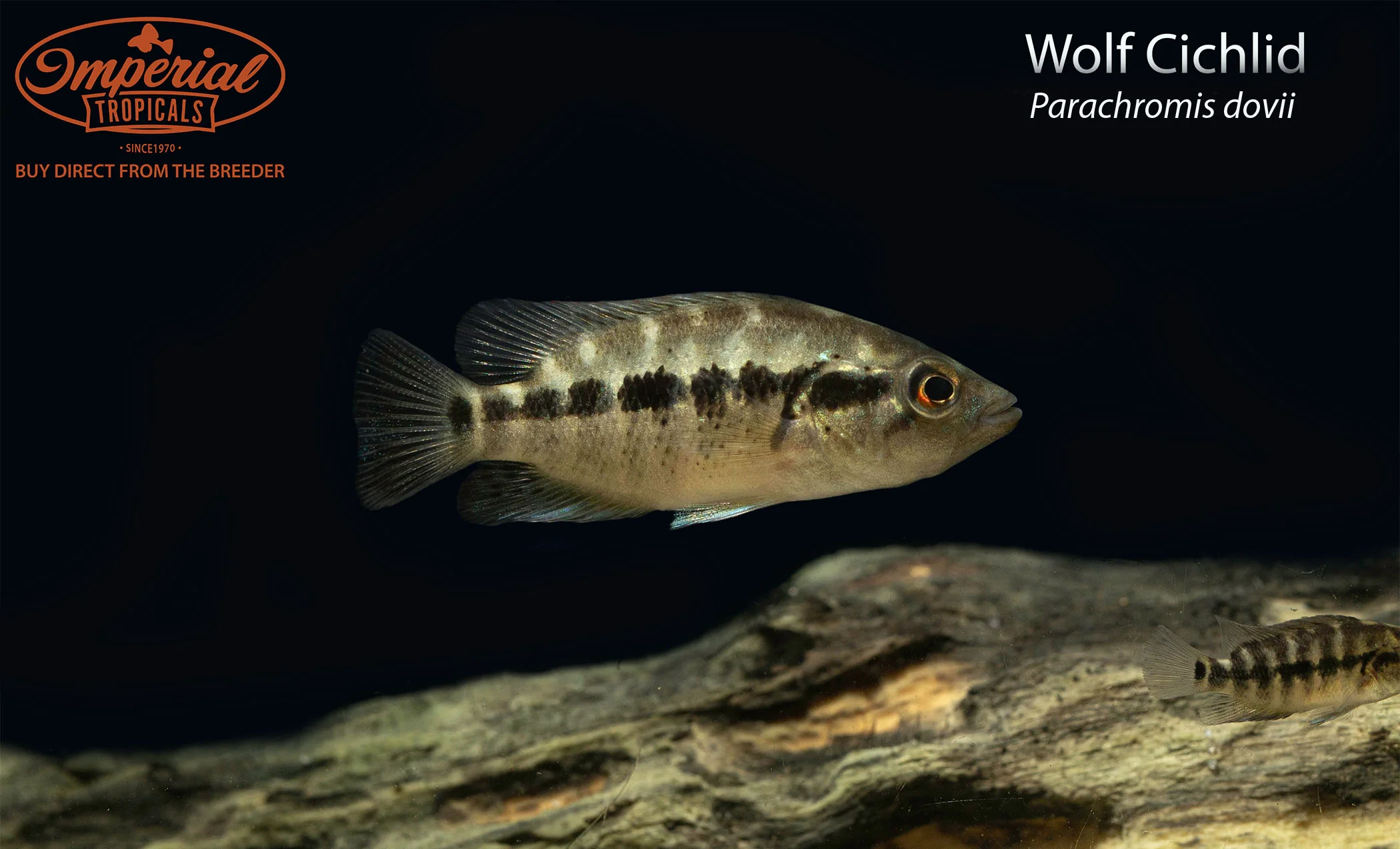
It has been noted by both hobbyists and those in the scientific community that the Lyon's cichlid bears heavy resemblance to trimac cichlids (Amphilophus trimaculatus) as well as the non-gold form of midas cichlids (Amphilophus citrinellus). This is especially true for juveniles of these species. The similarities both in looks and genetics is so strong they are all considered sister species. This can be a problem when trying to tell them apart for identification and breeding purposes, but thankfully there are a few ways to tell them apart. In regards to trimac cichlids, Lyon's cichlids can be identified by how they lack the trimac's signature black spot on the side of the head above the gill plate. Lyon's cichlids can be told apart from midas cichlids by how Lyon's cichlids have less contrasting vertical bars in breeding colors and more yellow/orange base colors. Lyon's cichlids are also known to only grow to half the size of midas and trimac cichlids and have a much less aggressive temperament.
The more mild temperament Lyon's cichlids have compared to others in their genus makes them a better candidate for Central American community tanks. Most of their aggression seems to be aimed at conspecifics so fish that do not look like them, aren't small enough to be swallowed, and like the same water parameters can all potentially make good tankmates. Never keep Lyon's cichlids with any other species in the the Amphilophus genus due to both their aggression to conspecifics as well as to avoid hybridization which damages conservation efforts. While they can be in specific community settings, they are best kept in single breeding pairs in a species only tank or with a few dithers such as swordtails, mollies, or large tetras more tolerant of neutral conditions. Supplying plenty of hiding spots will help reduce any aggression from the Lyon's cichlid, make it feel more secure, and increase chances of breeding if there is a pair.
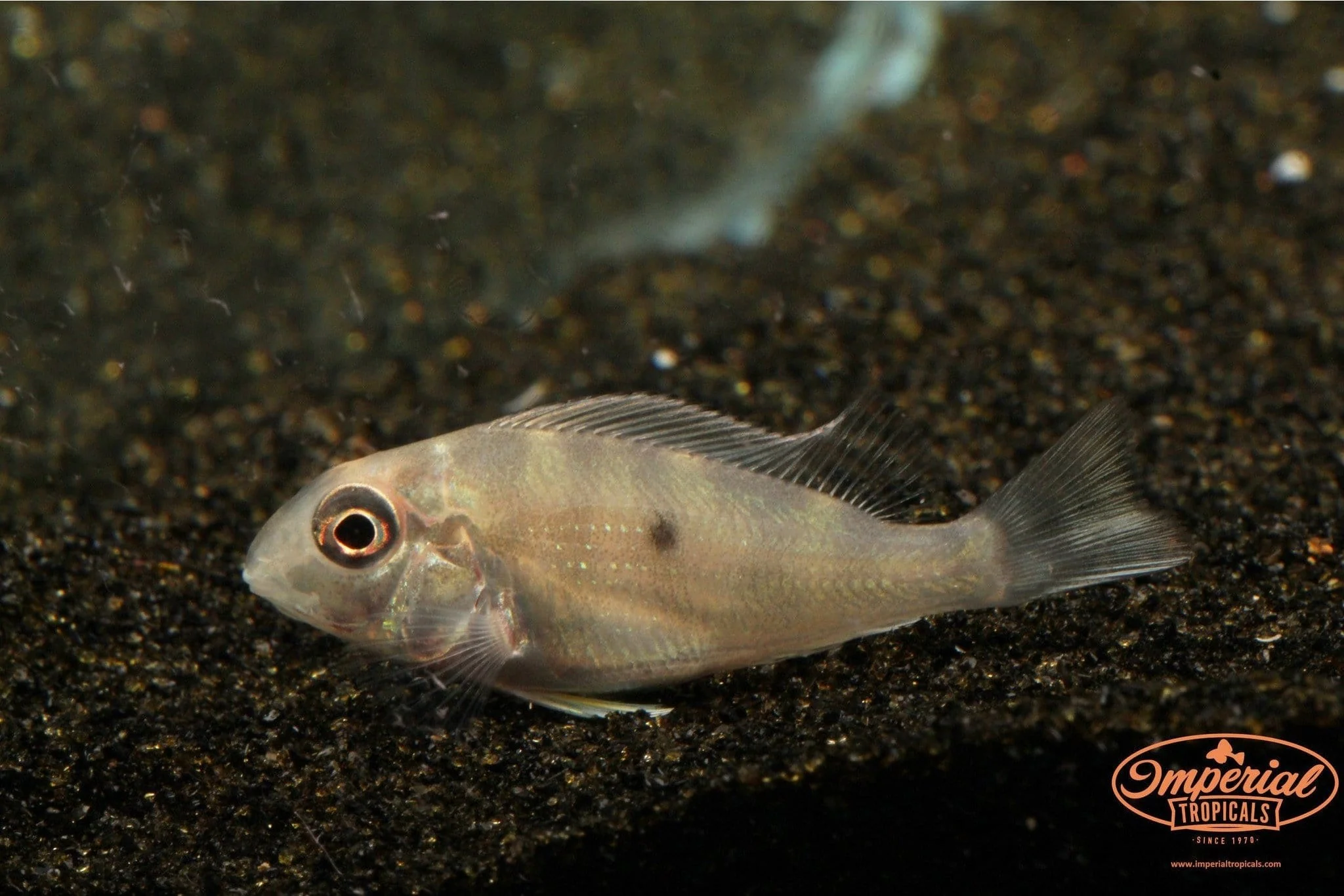
Due to the endangered status of the Lyon's cichlid, we greatly encourage anyone looking to keep this species try their hand at breeding them. Breeding is similar to others in the Amphilophus genus with it actually being a little easier since their smaller size means one can breed them in a smaller tank. A pair should be kept alone or just with some robust dither fish in a 75 gallon or larger tank and conditioned with a diverse diet as they are very omnivorous. The pair will dig a large pit in the substrate where they will spawn and both will guard the eggs and fry. When raising the Lyon's cichlid fry, it is important to note that breeders have found fry become susceptible to bloat at around the 0.75-1.5” mark. This is especially true if the fry are only being fed baby brine shrimp so be sure to begin providing other kinds of foods that have vegetable matter such as crushed herbivore flake foods before they reach this size.
Lyon's cichlids are an amazing species of Central American cichlid whether one is just looking to keep a rare and colorful species or are looking to breed for conservation. We hope that they will eventually become more prevalent in the hobby through captive breeding efforts and maybe even one day aid in replenishing wild populations.
Original: $44.99
-65%$44.99
$15.75Product Information
Product Information
Shipping & Returns
Shipping & Returns
Description
Remarks: The Lyon's cichlid (Amphilophus lyonsi) is a heavily coveted species by Central American cichlid enthusiasts for a variety of reasons. They are known to be less aggressive compared to others in their genus and also grow to a smaller size making them more manageable in captivity. What also draws keepers in is both the rarity and beautiful coloration. Mature and settled Lyon's cichlids display vibrant, yellow, orange, red, pink colors along with red eyes and iridescent blue scales. All of this combined with them being listed as an endangered species and being on the CARES list makes this species a must have for cichlid keepers.
Originally, Lyon's cichlids were described as Cichlasoma lyonsi in 1966 by Gosse after the first specimens were collected by King Leopold of Belgium in Costa Rica, being named after the then Cosul of Belgium, E. Lyons. Later on, the species was redescribed as Amphilophus lyonsi after being reevaluated by Kullander in 1996. In the wild, Lyons's cichlids were known to be found along the Pacific slope of Costa Rica such as in the Coto River and in Panama such as in the Dupí River. They were found specifically in the lower sections of these rivers where the water is warm, has a neutral pH, has low to moderate hardness, has a slow current, and is set above a soft sand substrate. Unfortunately, due to habitat destruction, wild populations shrank over time to the point it was thought that the Lyon's cichlid was extinct in the wild. Thankfully, a population was found in the southern Pacific region of Costa Rica in 2022, though it is not large enough to pull them out of their endangered status. This has also placed the Lyon's cichlid on the CARES list in the hopes hobbyists can possibly aid in keeping the species alive.
It has been noted by both hobbyists and those in the scientific community that the Lyon's cichlid bears heavy resemblance to trimac cichlids (Amphilophus trimaculatus) as well as the non-gold form of midas cichlids (Amphilophus citrinellus). This is especially true for juveniles of these species. The similarities both in looks and genetics is so strong they are all considered sister species. This can be a problem when trying to tell them apart for identification and breeding purposes, but thankfully there are a few ways to tell them apart. In regards to trimac cichlids, Lyon's cichlids can be identified by how they lack the trimac's signature black spot on the side of the head above the gill plate. Lyon's cichlids can be told apart from midas cichlids by how Lyon's cichlids have less contrasting vertical bars in breeding colors and more yellow/orange base colors. Lyon's cichlids are also known to only grow to half the size of midas and trimac cichlids and have a much less aggressive temperament.
The more mild temperament Lyon's cichlids have compared to others in their genus makes them a better candidate for Central American community tanks. Most of their aggression seems to be aimed at conspecifics so fish that do not look like them, aren't small enough to be swallowed, and like the same water parameters can all potentially make good tankmates. Never keep Lyon's cichlids with any other species in the the Amphilophus genus due to both their aggression to conspecifics as well as to avoid hybridization which damages conservation efforts. While they can be in specific community settings, they are best kept in single breeding pairs in a species only tank or with a few dithers such as swordtails, mollies, or large tetras more tolerant of neutral conditions. Supplying plenty of hiding spots will help reduce any aggression from the Lyon's cichlid, make it feel more secure, and increase chances of breeding if there is a pair.
Due to the endangered status of the Lyon's cichlid, we greatly encourage anyone looking to keep this species try their hand at breeding them. Breeding is similar to others in the Amphilophus genus with it actually being a little easier since their smaller size means one can breed them in a smaller tank. A pair should be kept alone or just with some robust dither fish in a 75 gallon or larger tank and conditioned with a diverse diet as they are very omnivorous. The pair will dig a large pit in the substrate where they will spawn and both will guard the eggs and fry. When raising the Lyon's cichlid fry, it is important to note that breeders have found fry become susceptible to bloat at around the 0.75-1.5” mark. This is especially true if the fry are only being fed baby brine shrimp so be sure to begin providing other kinds of foods that have vegetable matter such as crushed herbivore flake foods before they reach this size.
Lyon's cichlids are an amazing species of Central American cichlid whether one is just looking to keep a rare and colorful species or are looking to breed for conservation. We hope that they will eventually become more prevalent in the hobby through captive breeding efforts and maybe even one day aid in replenishing wild populations.