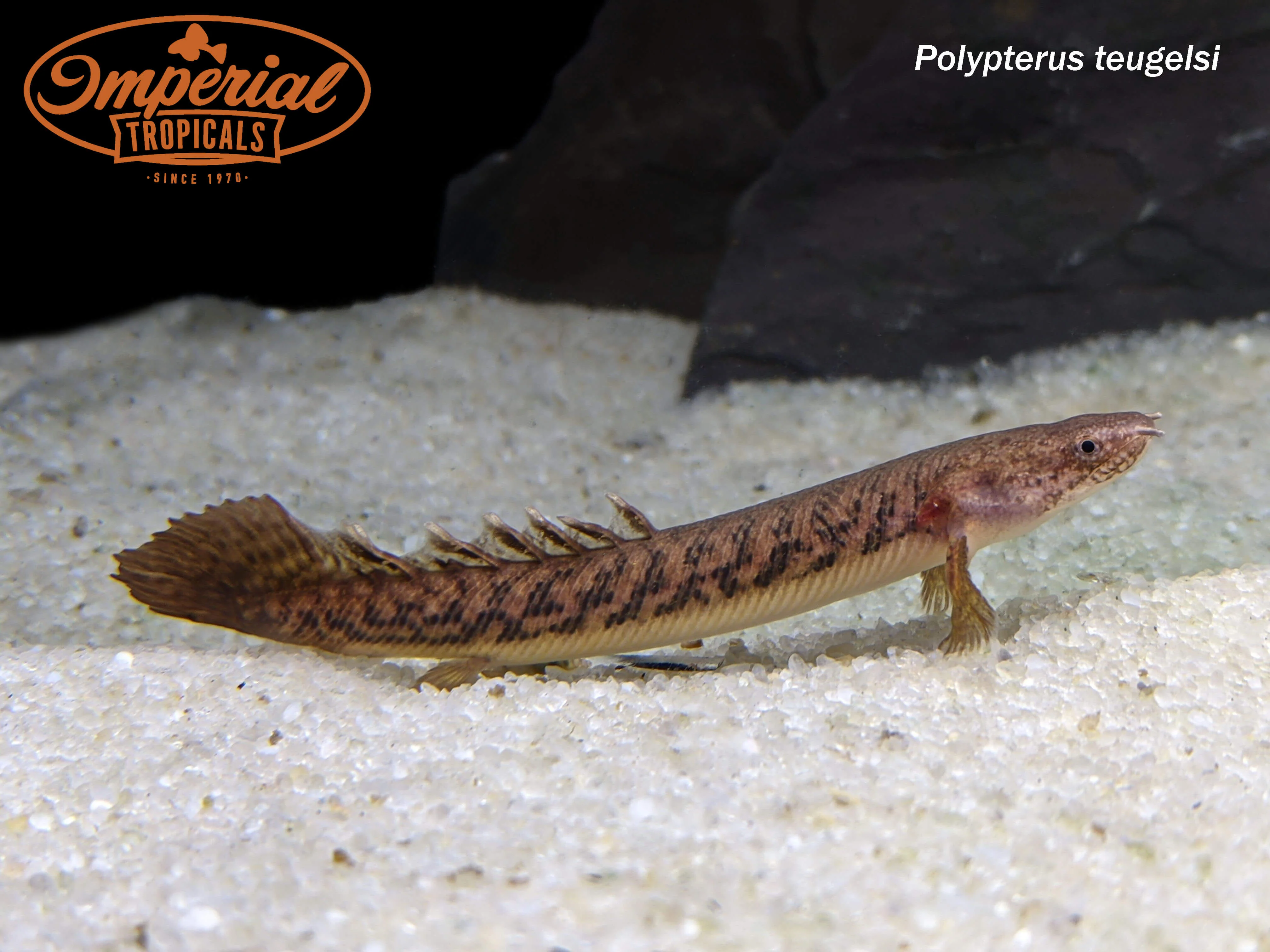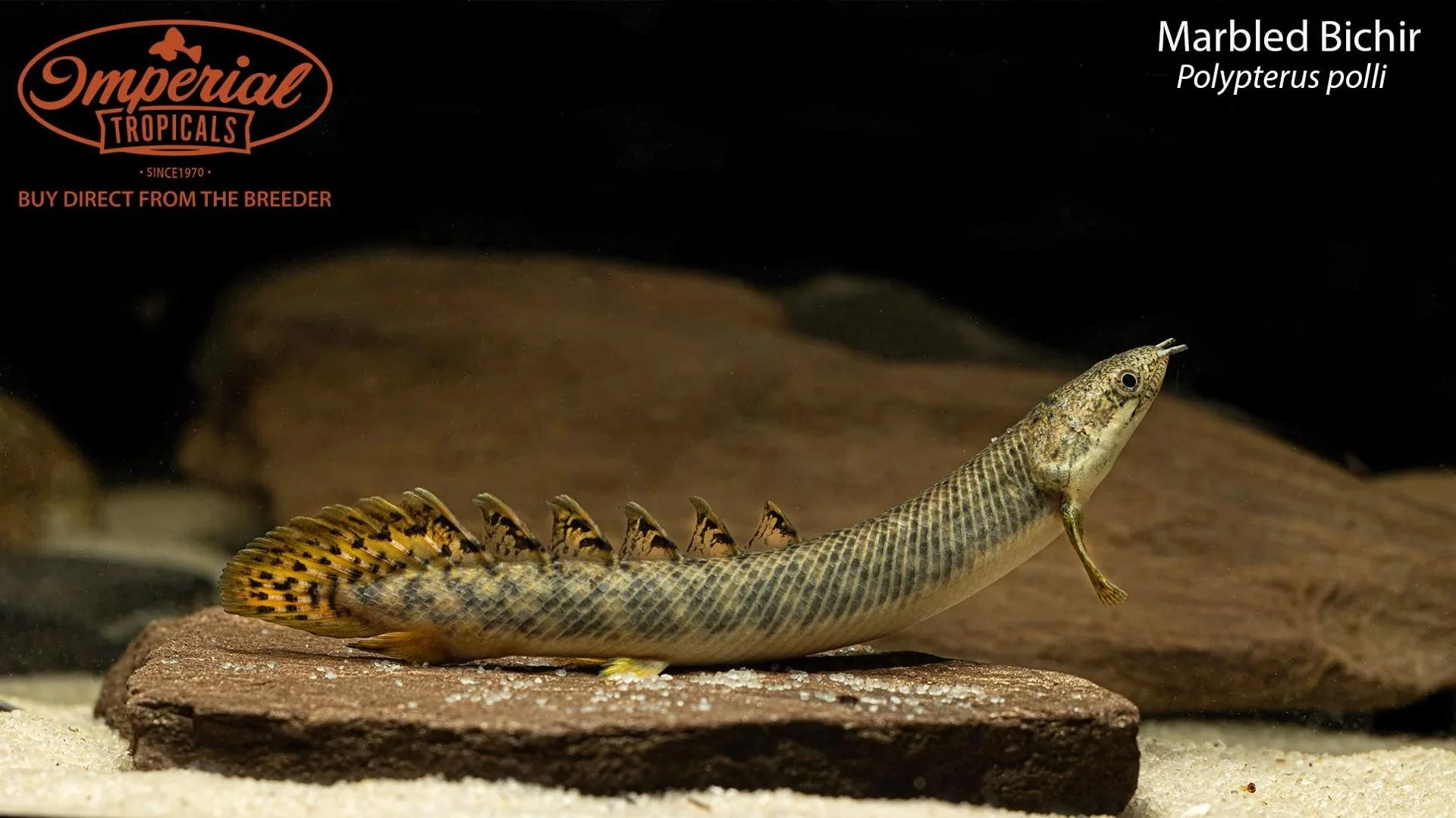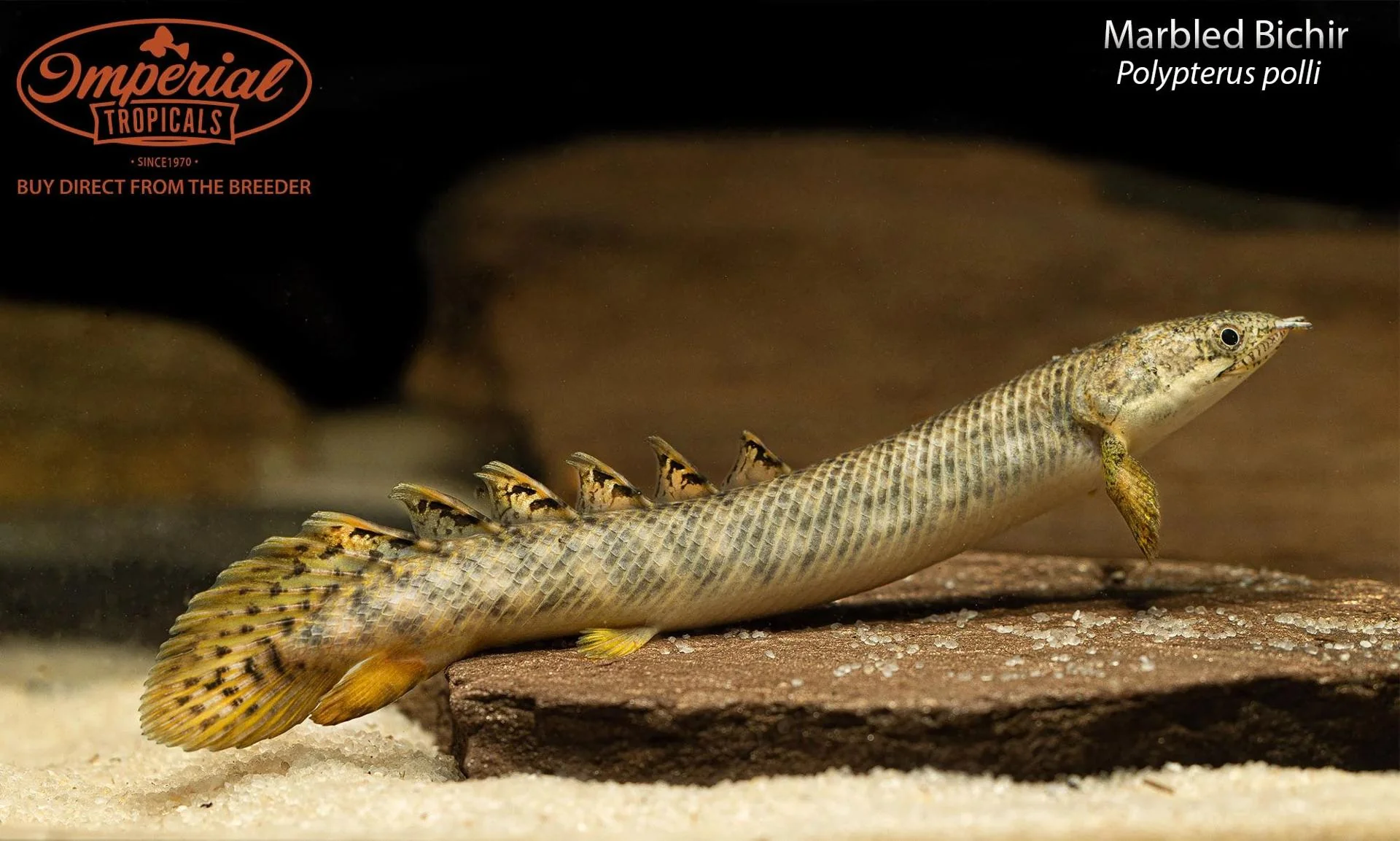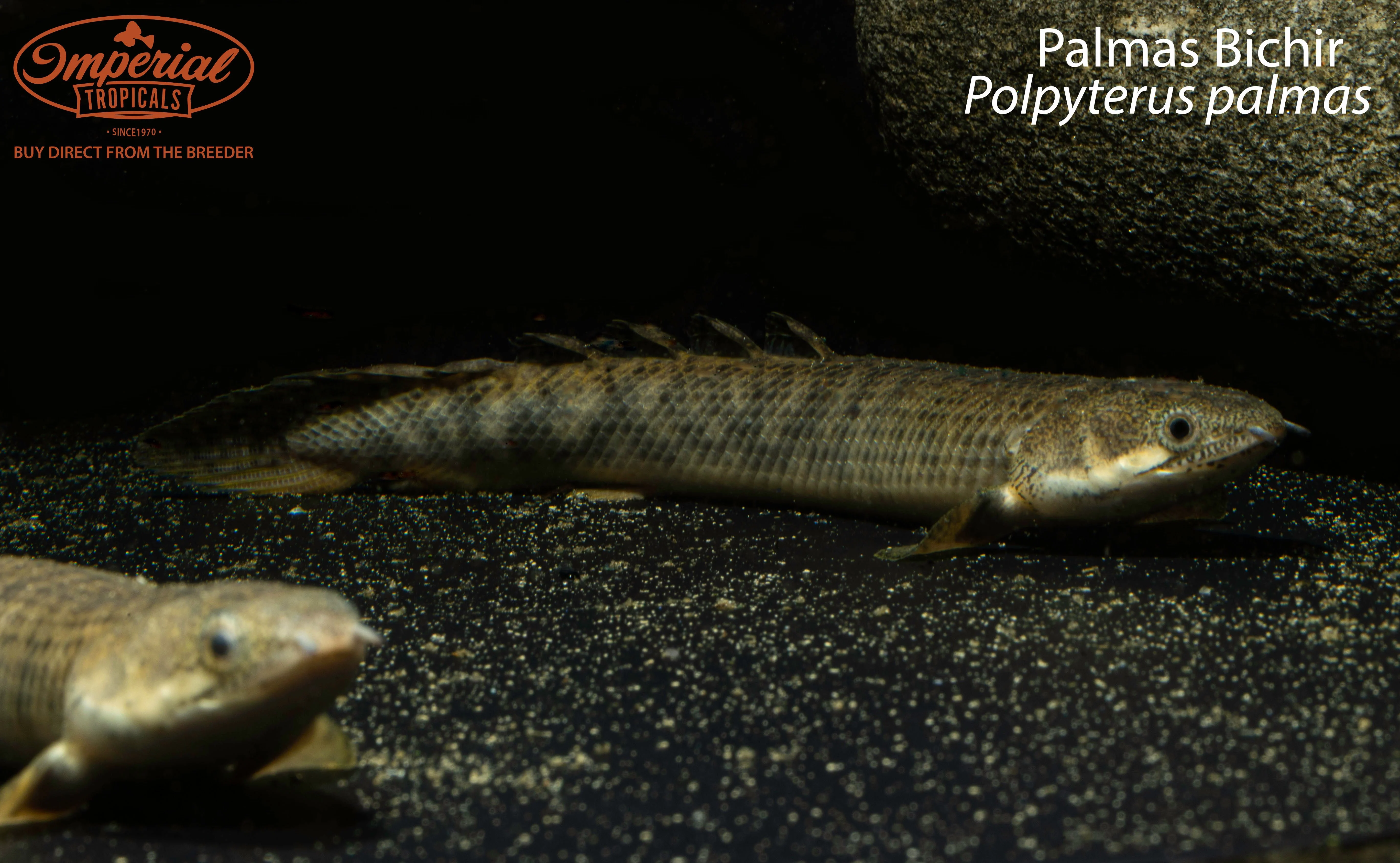
Armored Bichir
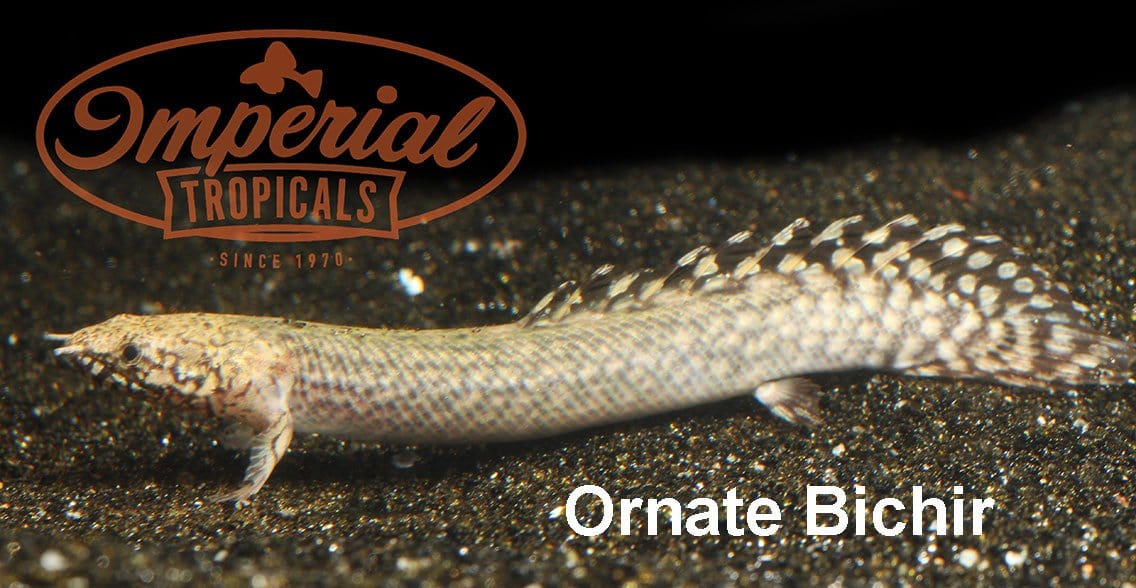
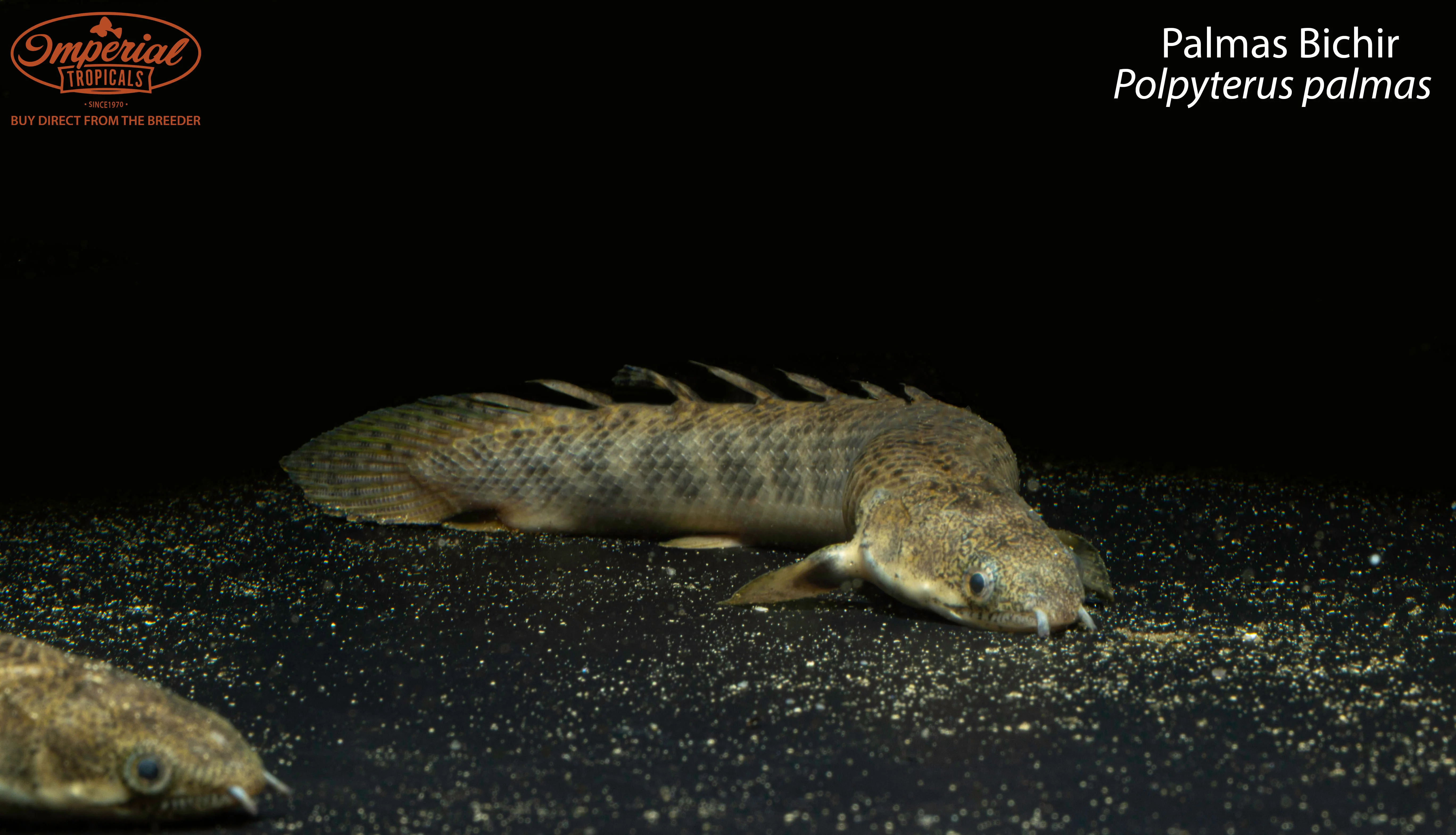
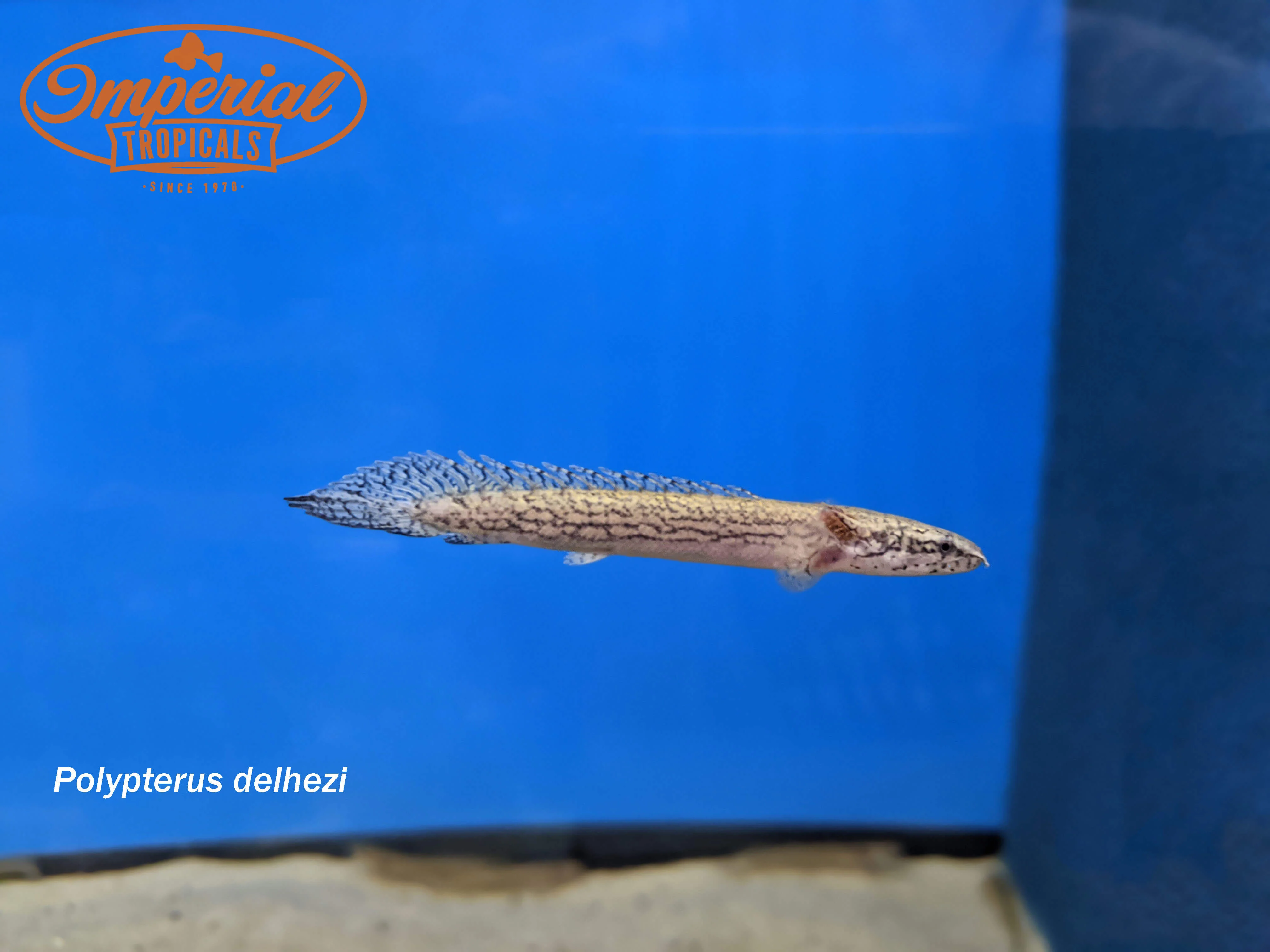
Remarks: The armored bichir comes from heavily vegetated streams and floodplains so it appreciates warmer water and a tank full of plants and other places to hide. Like all bichirs, they require large amounts of floor space rather than height when it comes to the tanks they are housed in.
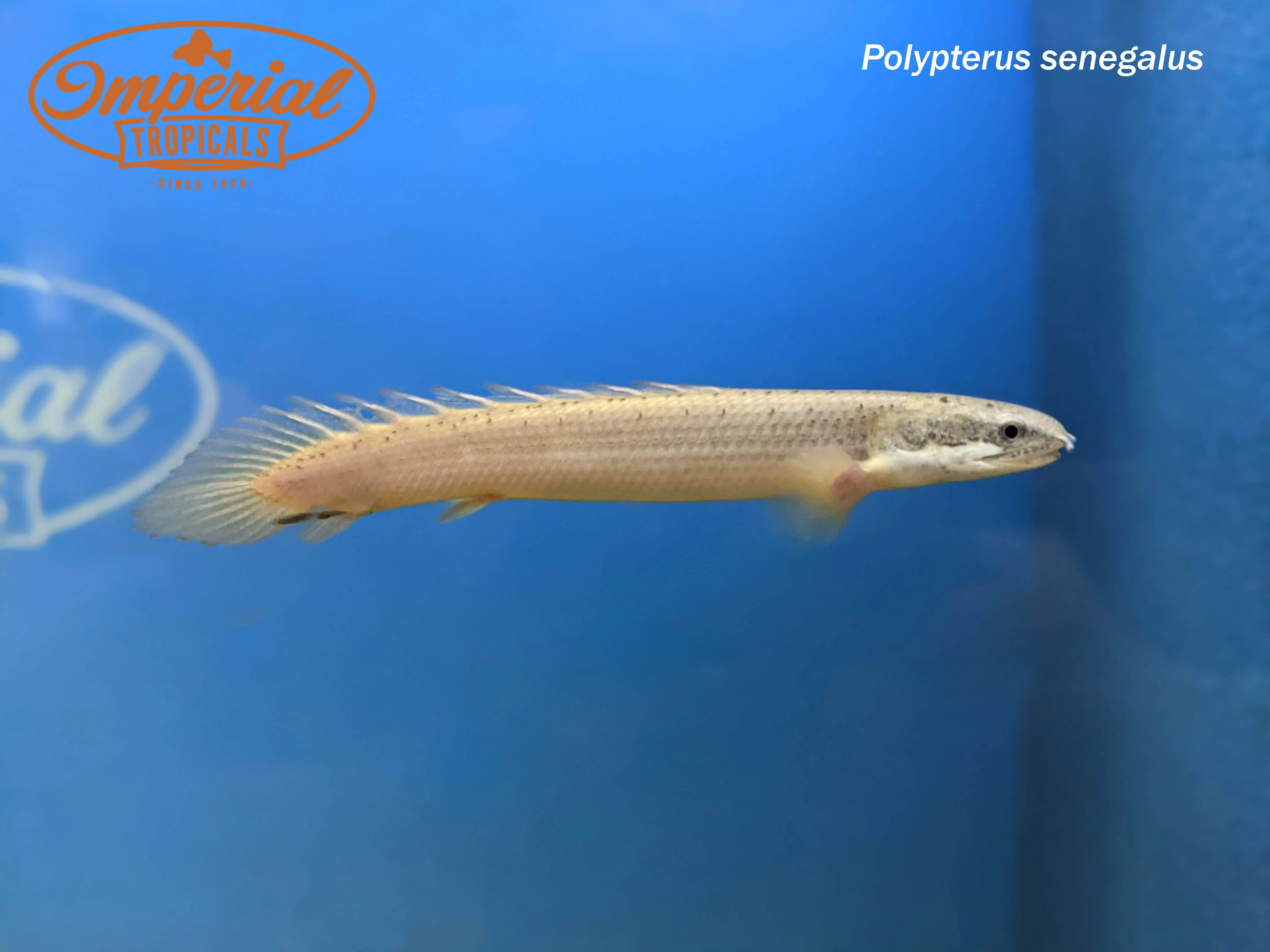
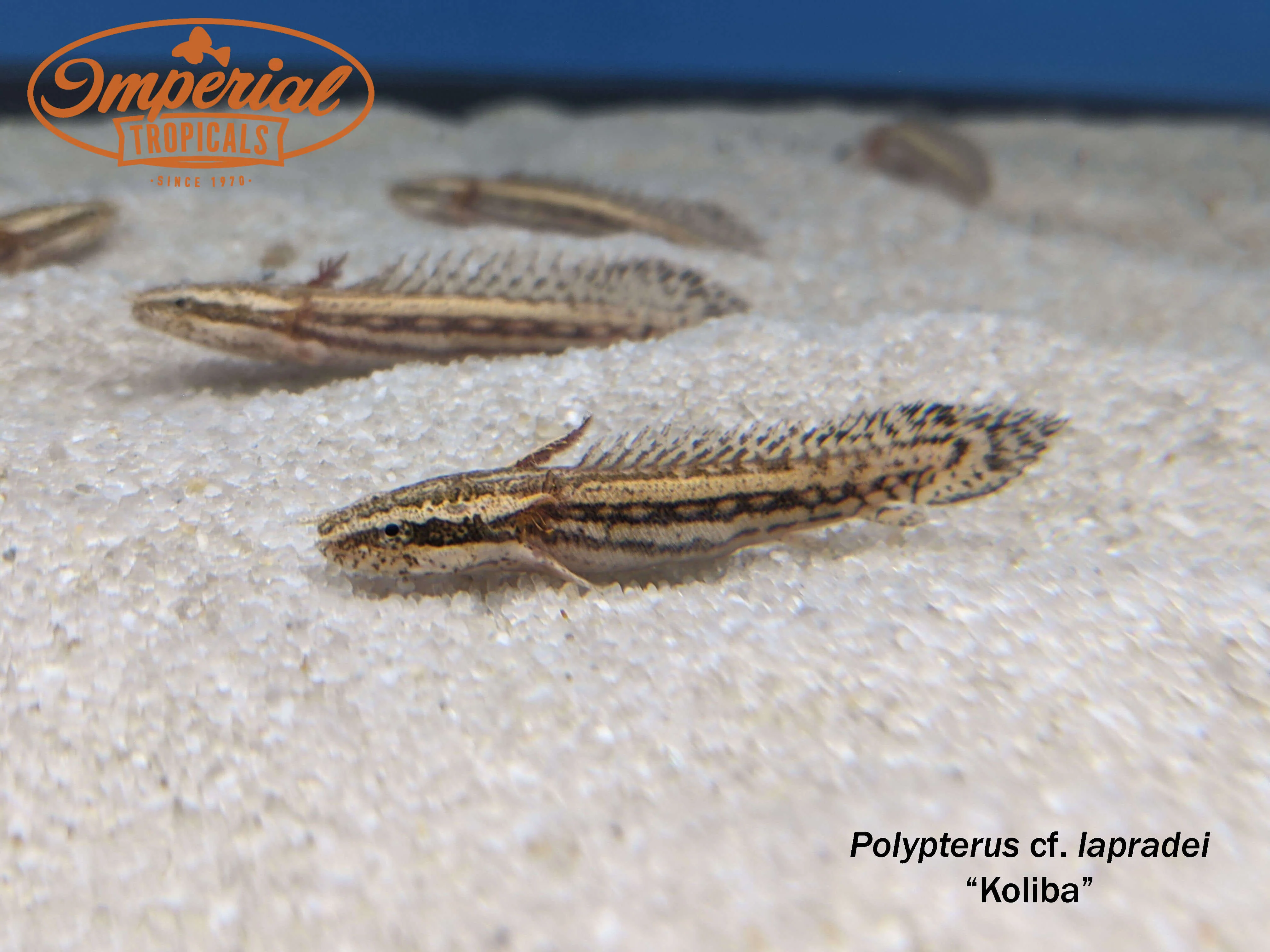
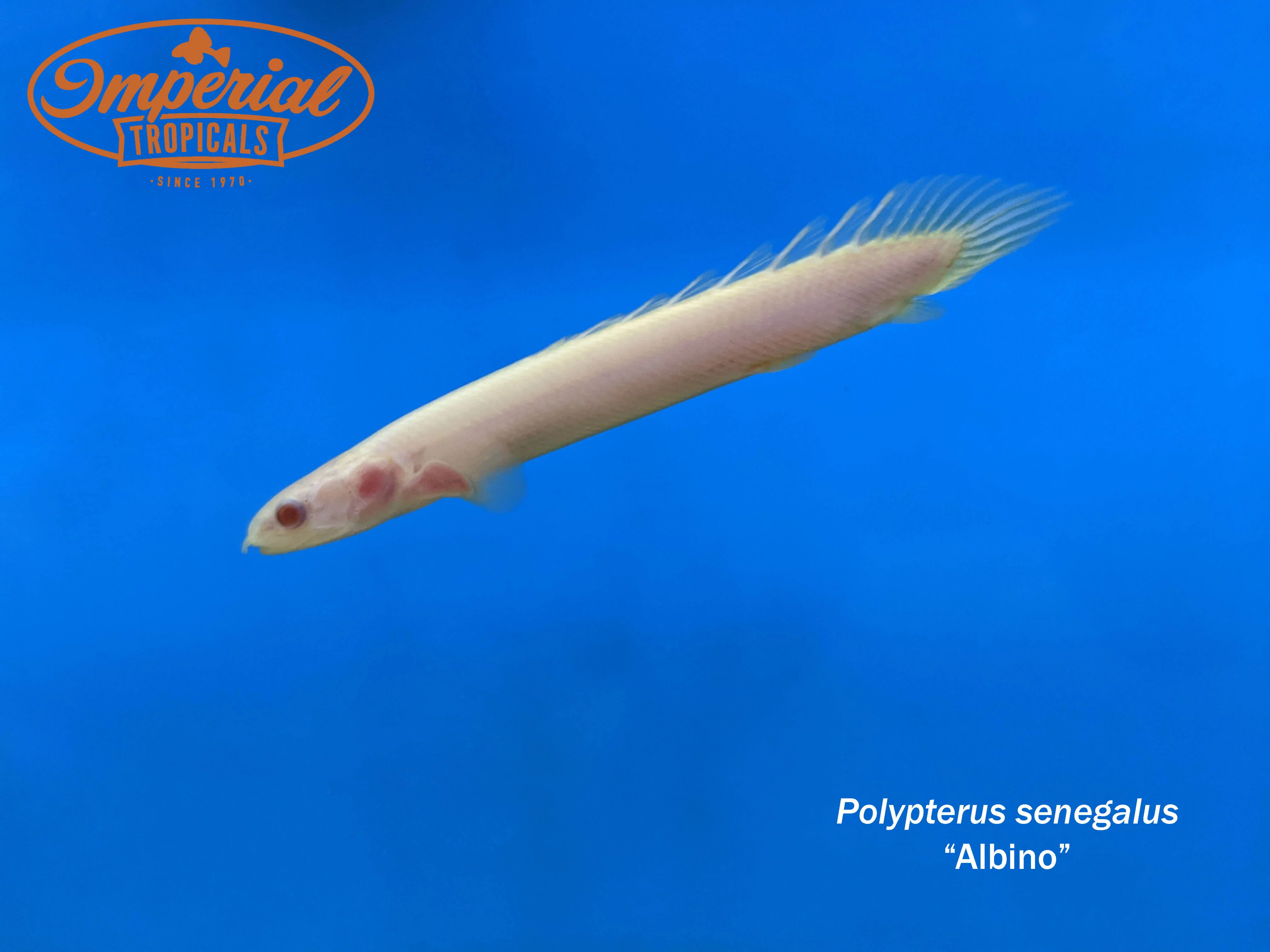
Bichirs are true oddball fish in that they almost appear more like amphibians than fish with their fins commonly used like legs to scoot along the ground, primitive lungs allowing them to intake surface oxygen, and even having feathery gills when young similar to those of larval salamanders or newts. These adaptations likely evolved due to their native habitats of streams and rivers in Africa occasionally drying up and leaving them to crawl to a new body of water. While interesting, these behaviors can be troublesome for fishkeepers as it makes them escape artists requiring heavy, tight fitting lids. Bichirs are also curious and will try to swallow anything they can fit in their mouth so nothing that is small enough to be swallowed should be in their tanks. Because of this and their sensitive bellies, they are best kept on sand as a substrate as some gravel is small enough to swallowed and can scratch them.
Bichirs are capable of swimming, but typically prefer to sit on the bottom and wait for prey to pass overhead. Their mouths are can open as wide as the thickest part of their body so they should not be housed with smaller or slender fish. Being rather slow and shy, care should also be taken to ensure they aren't kept with too boisterous of feeders that may steal all the food before the bichir can eat. The best way to keep these fish is simply with other bichirs of similar size to avoid cannibalism.
Original: $39.99
-65%$39.99
$14.00Product Information
Product Information
Shipping & Returns
Shipping & Returns
Description
Remarks: The armored bichir comes from heavily vegetated streams and floodplains so it appreciates warmer water and a tank full of plants and other places to hide. Like all bichirs, they require large amounts of floor space rather than height when it comes to the tanks they are housed in.
Bichirs are true oddball fish in that they almost appear more like amphibians than fish with their fins commonly used like legs to scoot along the ground, primitive lungs allowing them to intake surface oxygen, and even having feathery gills when young similar to those of larval salamanders or newts. These adaptations likely evolved due to their native habitats of streams and rivers in Africa occasionally drying up and leaving them to crawl to a new body of water. While interesting, these behaviors can be troublesome for fishkeepers as it makes them escape artists requiring heavy, tight fitting lids. Bichirs are also curious and will try to swallow anything they can fit in their mouth so nothing that is small enough to be swallowed should be in their tanks. Because of this and their sensitive bellies, they are best kept on sand as a substrate as some gravel is small enough to swallowed and can scratch them.
Bichirs are capable of swimming, but typically prefer to sit on the bottom and wait for prey to pass overhead. Their mouths are can open as wide as the thickest part of their body so they should not be housed with smaller or slender fish. Being rather slow and shy, care should also be taken to ensure they aren't kept with too boisterous of feeders that may steal all the food before the bichir can eat. The best way to keep these fish is simply with other bichirs of similar size to avoid cannibalism.